
You have watched the trailers and scrolled through screenshots of towering castle halls, wondering if Hogwarts Legacy actually earns the hype.
The idea of walking Hogwarts corridors, casting real spells, and building your own path as a student sounds exciting, but big promises do not always hold up in an open world.
This Hogwarts Legacy review breaks down what the castle, combat, and story actually deliver after the opening hours wear off, and where the game still falls short of a true RPG.
After spending more than 60 hours inside the castle, here is what actually holds up.
Is Hogwarts Legacy Worth Buying? A Verdict for Every Type of Player
Hogwarts Legacy is worth considering if you enjoy exploring detailed worlds, experimenting with combat systems, and creating your own version of a Hogwarts student.
The experience depends heavily on what you expect from the game.
Harry Potter fans will find a lot to appreciate in the atmosphere, locations, spells, and small details throughout the world.
However, the game does not require deep knowledge of the books or films to understand the setting. Players who prefer strong storytelling and meaningful role-playing choices may find some parts limited.
The game gives you the feeling of being a student at Hogwarts, but some decisions have less impact than a traditional RPG.
The clearest way to judge Hogwarts Legacy is by asking one question: is it actually worth your time. For most players chasing exploration and combat, the honest answer leans yes, even with a story that plays it safe.
What Does Hogwarts Legacy Actually Do Well?
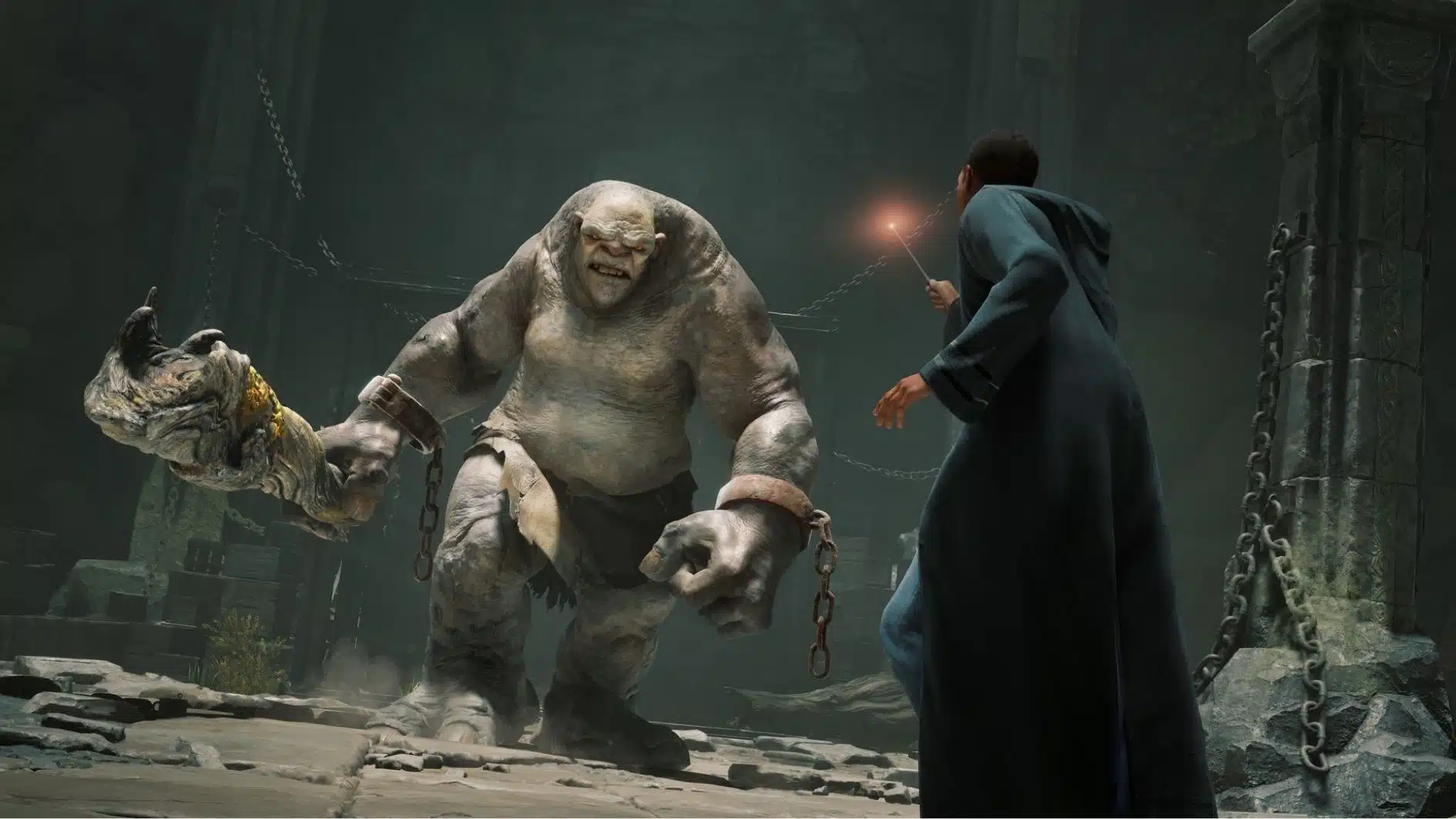
A fair Hogwarts Legacy review needs to look at both the fantasy experience and the gameplay systems behind it. Hogwarts Legacy’s biggest strengths are its world design and combat system.
The game succeeds when it lets players experience Hogwarts as a place to explore and interact with.
The castle is the highlight because it feels carefully designed rather than like a simple game location. Hidden areas, classrooms, puzzles, and familiar details encourage players to slow down and look around.
Combat also stands out because it requires more thought than basic attacks. Different spells, enemy defenses, and movement options create fights where timing and strategy matter.
The student activities add extra personality to the experience.
Classes, potion making, creature care, and Room of Requirement customization help create the feeling of building your own routine.
The Hogwarts Castle Itself
Hogwarts Castle is the part of the game that best captures the feeling many players expect. The layout feels connected, with hallways, rooms, and hidden spaces that reward curiosity.
The castle works because it is more than a backdrop. Players can find small details, solve environmental puzzles, and discover areas that make exploration feel worthwhile.
The design creates a sense of place that carries the game forward. Even when other parts of the open world feel repetitive, returning to Hogwarts often brings back the strongest part of the experience.
How the Combat System Actually Works?
The combat system works because it combines spell selection, enemy defenses, and movement. Instead of using one attack repeatedly, players need to think about which spells work best in different situations.
Enemy shields often require specific spell types to break before damage can be dealt. This encourages players to keep multiple spells ready and switch between them during fights.
The system becomes more interesting when spells are combined together. Players can lift enemies into the air, freeze them, pull objects from the environment, and create longer attack combinations.
Movement also plays an important role. Dodging attacks, positioning around enemies, and managing cooldowns make battles feel active rather than like simple button pressing.
After well over 40 hours of duels against trolls, dark wizards, and everything in between, the moment spellcasting finally felt automatic is when this game clicked for me.
Where Does Hogwarts Legacy Fall Short?
Hogwarts Legacy falls short in three main areas: a thin main story, repetitive open-world side content, and RPG choices that rarely change anything major.
These drawbacks matter differently depending on what you expect from an open-world RPG.
- A Limited Story Experience: The main story works well as a reason to explore the world, but it spends less time on student relationships, house dynamics, and everyday Hogwarts life.
- Repetitive Open-World Activities: Optional tasks like Merlin Trials can start feeling repetitive because similar puzzles appear frequently across the map. Players who enjoy completion goals may like them, while others can skip them.
- Shallow RPG Choices: Character customization, house selection, and dialogue options add personality but rarely change major story outcomes. Players who want choices with real weight might get more out of a game built around them, like the one covered in our Baldur’s Gate 3 review.
Someone looking for atmosphere and exploration may overlook these weaknesses, while players wanting a deep RPG structure may notice them quickly.
Who Should Buy Hogwarts Legacy and Who Should Pass?

Buy Hogwarts Legacy if you want exploration, atmosphere, and combat that rewards experimentation; consider waiting on a sale if you need a deep, choice-driven story.
The game is strongest when the goal is exploration, combat, and experiencing the world.
1. Buy Hogwarts Legacy If You Want Exploration and Atmosphere
Players who enjoy walking through detailed environments, finding hidden areas, and spending time inside a fictional world will get the most from Hogwarts Legacy.
The castle, spells, creatures, and customization options create a strong sense of place. The game works well as a fantasy experience where the world itself is the main attraction.
2. Buy It Even If You Are Not a Harry Potter Fan
You do not need previous Harry Potter knowledge to understand Hogwarts Legacy. The game introduces its setting, characters, and magical systems without requiring outside information.
Non-fans can still enjoy the combat, exploration, and character progression. The biggest appeal comes from interacting with the world rather than knowing every reference.
3. Consider Waiting If You Need a Strong Story
Players who mainly want a deep narrative, complex choices, or strong character relationships may find the experience less satisfying.
The game is also less appealing if repetitive open-world activities quickly become frustrating. Waiting for a sale can make more sense for players who are unsure about those limitations.
Is Hogwarts Legacy Still Worth It Today?
Hogwarts Legacy has held up remarkably well since its February 2023 launch.
The game expanded to more platforms over time, picked up performance patches, and kept finding new players well past its first year, which is unusual for a single-player, story-driven release in a market that tends to move on quickly.
Warner Bros. Games has confirmed that Hogwarts Legacy has now sold more than 40 million copies worldwide, with a noticeable sales bump coming after its 2025 release on Nintendo Switch 2.
The game currently runs on PC, PlayStation 4 and 5, Xbox One and Series X|S, the original Switch, and Switch 2, all without any microtransactions weighing down the single-player experience.
For portable players, Hogwarts Legacy now sits comfortably among the best Switch games worth owning now that it runs on newer hardware.
PC players also get official mod support, which keeps the modding community adding fixes, quality-of-life tweaks, and cosmetic changes years after launch.
A sequel is reportedly in early development at Avalanche Software, though Warner Bros. has not confirmed a release window (fan expectation is by 2027 or 2028), which makes it a reasonable time to play the original before a follow-up changes the conversation.
Conclusion
This Hogwarts Legacy review lands on a clear answer: the game works best when you treat Hogwarts itself as the reward.
The castle, spell combat, exploration, and small magical details carry the experience, while the story and RPG choices do not reach the same level.
That does not make it a bad game. It just means your expectations matter. If you want to live inside a rich wizarding world, it is still easy to recommend.
If you need deep consequences and stronger character writing, wait for a sale.
Check the current price on your platform, choose the version that fits your budget, and tell us which house you picked in the comments below.
Frequently Asked Questions
Is Hogwarts Legacy good if you’ve never seen Harry Potter?
Yes. the game is set roughly a century before the films and explains its world contextually. No prior knowledge is required. Players with no Harry Potter background consistently report enjoying it, particularly for the combat and exploration. The lore is atmospheric rather than prerequisite.
How long does Hogwarts Legacy take to complete?
The main story runs approximately 25–30 hours. Full completion, including side quests, Merlin Trials, and collectibles, typically reaches 60–80 hours. Most players find the sweet spot around 35–40 hours — finishing the story with selective side content and skipping the more repetitive filler activities.
Is Hogwarts Legacy worth buying at full price in 2026?
At its current discounted price (frequently $9–$11 on sale), it’s a straightforward recommendation for almost any player. At full price, it’s worth it for players who prioritize atmosphere and combat over narrative depth. If story is your primary driver, wait for a sale.
Does your house choice actually matter in Hogwarts Legacy?
Not in any mechanical or narrative sense. House selection changes your common room, a small number of cosmetic items, and one early side quest. It does not affect your relationships with characters, available story paths, or ending. Treat it as aesthetic customization rather than a meaningful RPG decision.