Picking a gaming guide site felt like a gamble for years. Pick wrong, and you waste an evening chasing outdated tips built for a different patch.
MyGameRank gaming guides try to remove that gamble by organizing content into clear skill tiers instead of scattering it across forums and random posts.
That structure is worth a closer look, especially if you jump between titles often and do not want to rebuild your research habits every time a new game grabs your attention.
Here is what the platform actually covers, and how it holds up once you start using it.
What are MyGameRank Gaming Guides?
MyGameRank gaming guides are written strategy resources published on a dedicated gaming content platform. I’ve found it covers mechanics, character builds, and map strategies across a wide range of game titles.
MyGameRank is a structured guide library for players who want organized, written coverage rather than scattered community posts.
The guides cater to players at different experience levels.
If you’re just starting, you’ll find content covering basic controls and core mechanics, while other guides focus on builds, quest walkthroughs, and more advanced strategies.
That range, from beginner through expert, across dozens of genres, is what separates it from wikis tied to a single game or subreddits that cover one title at a time.
Whatever you’re playing, there’s a reasonable chance MyGameRank has structured coverage for it.
What Do the Guides Cover?
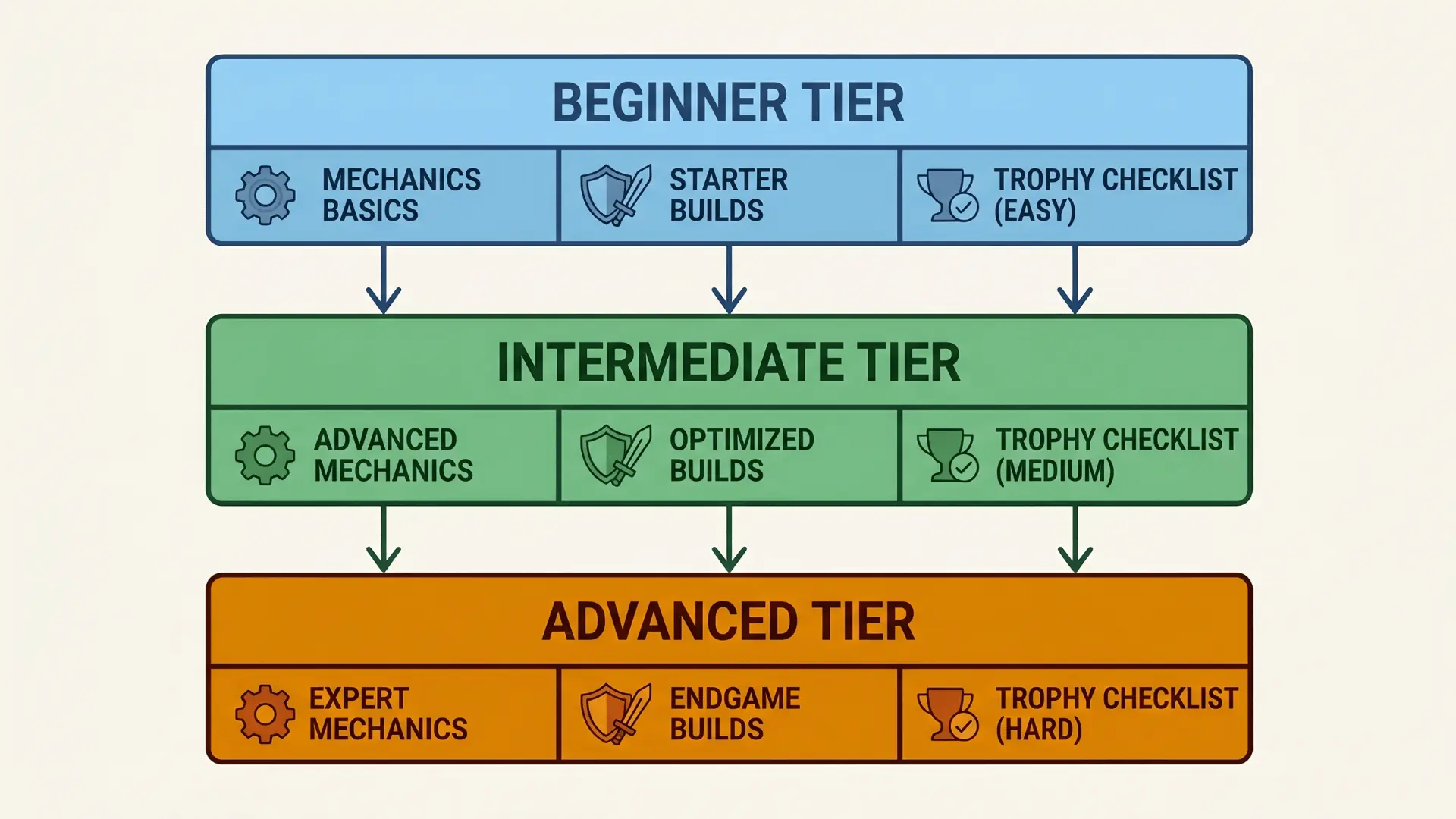
MyGameRank gaming guides cover experience levels for many titles across action, RPG, strategy, and other major genres.
Guide Types by Player Level
There are these tiers, and they’re genuinely distinct; not just repackaged versions of the same content.
- Beginner guides cover controls, core mechanics, and the essential tips that stop new players from making avoidable early mistakes.
- Intermediate guides move into character builds, quest walkthroughs, and game-specific strategies once you’ve got the basics down.
- Advanced guides go deep into map strategies, optimization, and full trophy or achievement breakdowns for players going for completion.
The tier you need depends on where you are with a game, not just your overall experience level.
Game Genres and Titles Covered
MyGameRank’s library stretches into simulation, sports, and survival titles alongside its action, RPG, and strategy coverage.
It’s built for breadth rather than depth on any single franchise. If you’re playing a well-known title, you’ll likely find solid coverage.
If your game is niche or older, a dedicated wiki or community forum may have more accumulated detail than any general platform can offer.
How MyGameRank Differs from Other Guide Sources?
In my experience, MyGameRank is built for players who want consistent, structured coverage across whatever they happen to be playing this month, more than a single standout community post or editorial coverage that only shows up once a title starts trending.
Community Hubs vs. Curated Platforms
Community guides and curated platforms each have a place, but they solve different problems.
| Factor | Community Hubs | MyGameRank |
|---|---|---|
| Speed after launch | Fast, players post immediately | Structured rollout |
| Depth on niche questions | High, dedicated players go deep | Broad coverage across titles |
| Consistency | Varies widely from guide to guide | Consistent structure throughout |
| Update reliability | Depends on the contributor | Platform-managed |
| Best for | Single-game deep dives | Multi-title, structured guidance |
If you already live inside one game’s community, that community will usually know it better than anyone.
But if you’re moving between titles and need coverage you can rely on, a curated platform removes a lot of the guesswork, the same tradeoff HearthssGaming’s setup runs into from the other direction.
When Editorial Guides Outperform Both
For major releases, outlets like TheGamer and Polygon are hard to beat. Their guides are edited, reliable, and built around a full playthrough rather than one player’s specific experience.
The limitation is selectivity. Editorial teams cover what gets traffic.
If you’re playing something outside the mainstream, like an older title, a mid-tier release, or a genre the big outlets underserve, coverage thins out quickly.
That’s the gap MyGameRank is designed for: structured coverage across a wider range of titles than editorial outlets usually prioritize, sitting alongside community knowledge and editorial quality rather than trying to replace either one.
Who Gets the Most Out of MyGameRank?
From what I’ve seen covering new releases for a living, most guide sites fall into one of two traps: too shallow for anyone who already knows the genre, or too narrow to help once you switch games.
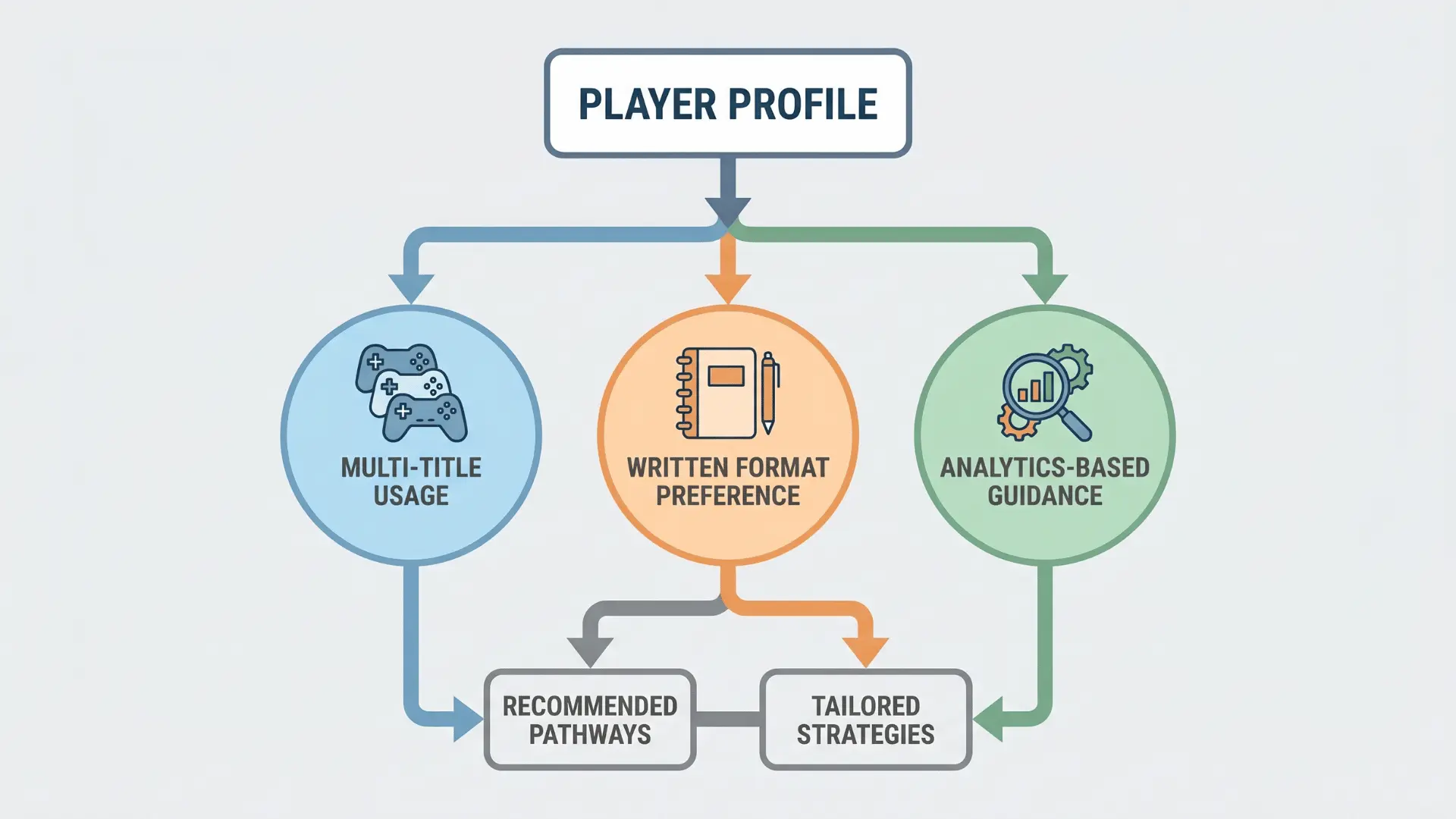
MyGameRank works best for players who move across multiple titles and want reliable written guidance without hitting either trap.
If that’s you, someone who picks up a new game every few weeks and wants structured coverage fast, the platform is built around exactly that habit.
You open it, find your game, and get straight to the information you need.
What I find genuinely useful is that the guides draw on gameplay analytics rather than a single expert’s experience.
You’re getting guidance shaped by how the game is actually played, at scale, across different styles and skill levels, closer to the approach Revolvertech’s review model takes than to a single reviewer’s take.
For most players, that’s more useful than a single strong opinion, and it’s part of what makes a new guide site worth your time before you’ve even opened your first walkthrough.
How to Make the Most of MyGameRank Guides?
Getting the best results from MyGameRank starts with picking the right guide tier for your current skill level. Start with beginner guides to learn the basics, then move up as your experience grows.
Tips for effective use:
- Choose the right tier: Beginner for core mechanics, intermediate for builds and quest strategies, advanced for optimization and endgame tips.
- Cross-reference guides: If a build guide and a quest walkthrough disagree on which skills to prioritize, check which one matches your current patch before picking a side.
- Experiment with suggestions: Analytics-driven tips are a solid baseline, but they’re built from average play, not your habits, so adjust them once you see how a strategy actually performs for you.
- Track your progress: Apply a strategy for a few sessions before judging it, then note what worked for future reference.
- Bookmark key guides: Keep frequently used ones handy for easy switching between multiple games, the same habit that makes a hub like PlayMyWorld’s update tracking useful once you’re following more than one title.
By following these steps, you spend less time guessing whether a tip applies to you: the right tier keeps you out of content you’ve outgrown.
Cross-referencing catches bad advice before you act on it, and tracking what worked means you’re not relearning the same lesson on your next title.
Conclusion
MyGameRank gaming guides are most useful when you want clear help across more than one game. They will not replace a deep wiki for one title or a full video guide when you need to see every step.
Their value comes from structure. Beginner, intermediate, and advanced guides make it easier to find advice that fits where you are right now.
That saves time when you switch between games and do not want to search forums for every answer. I would still check dates and compare patch-sensitive tips before fully trusting any build.
Start with a game you already know, test one guide, and tell us if the advice matched your experience.
Frequently Asked Questions
How often are MyGameRank guides updated?
MyGameRank guides are organized by tier rather than by patch, so update frequency depends on how actively a title is being played. Popular titles tend to see more frequent revisions than niche or older games, so check the guide before relying on it for time-sensitive details like patch-specific builds.
Do MyGameRank guides cover multiplayer or only single-player content?
Coverage leans toward single-player progression: builds, quests, and map strategy. Multiplayer-specific guidance, like loadouts for competitive modes or matchmaking strategies, is thinner because that content changes too quickly for a structured, tier-based format to keep pace.
Is MyGameRank free to use?
Core guides are accessible without a subscription. Some platforms in this space gate advanced or analytics-driven content behind a paid tier, so it’s worth checking whether the specific guide you need sits behind a paywall before assuming full access.
Does MyGameRank cover older or discontinued games?
Coverage is strongest for current and recently released titles. Older or discontinued games are more likely to have thin or outdated entries, which is where a long-standing wiki or community archive will usually serve you better.