Most people going into Sonic Frontiers had the wrong expectation, and I did too. I expected a faster, shinier version of what came before.
What I actually got was something harder to categorize, and honestly, more interesting than I gave it credit for early on.
This Sonic Frontiers review comes down to one thing: the game plays like two different titles stitched together, and which one you land in first decides how you feel about the whole package.
It’s not a clean verdict either way, but it is an honest one. I gave it a 7 out of 10 the first time I finished it, and I still think that’s right.
Three years on a games retail floor taught me that a 7 is one of the most interesting scores you can hand someone, because it means the game earned real praise and real complaints in the same review, instead of flattening into a simple recommend or skip.
Quick Verdict: Sonic Frontiers Score and Specs
| Score | 7/10 |
| Platforms | PS4, PS5, Xbox One, Xbox Series X|S, Nintendo Switch, PC |
| Release date | November 8, 2022 |
| Best on | PS5 or PC |
| Best for | 3D Sonic fans who can tolerate uneven pacing for genuine highs |
| Skip if | Every past 3D Sonic game has already lost you, or you’re on the original Switch and sensitive to frame drops |
Sonic Frontiers is a 3D action-platformer that traded Sonic’s usual corridor levels for open islands, and that single decision is why critic scores for it range from a 2 out of 10 to a 9 out of 10 depending on which half of the game a reviewer connected with.
What is Sonic Frontiers and What Kind of Game is It?
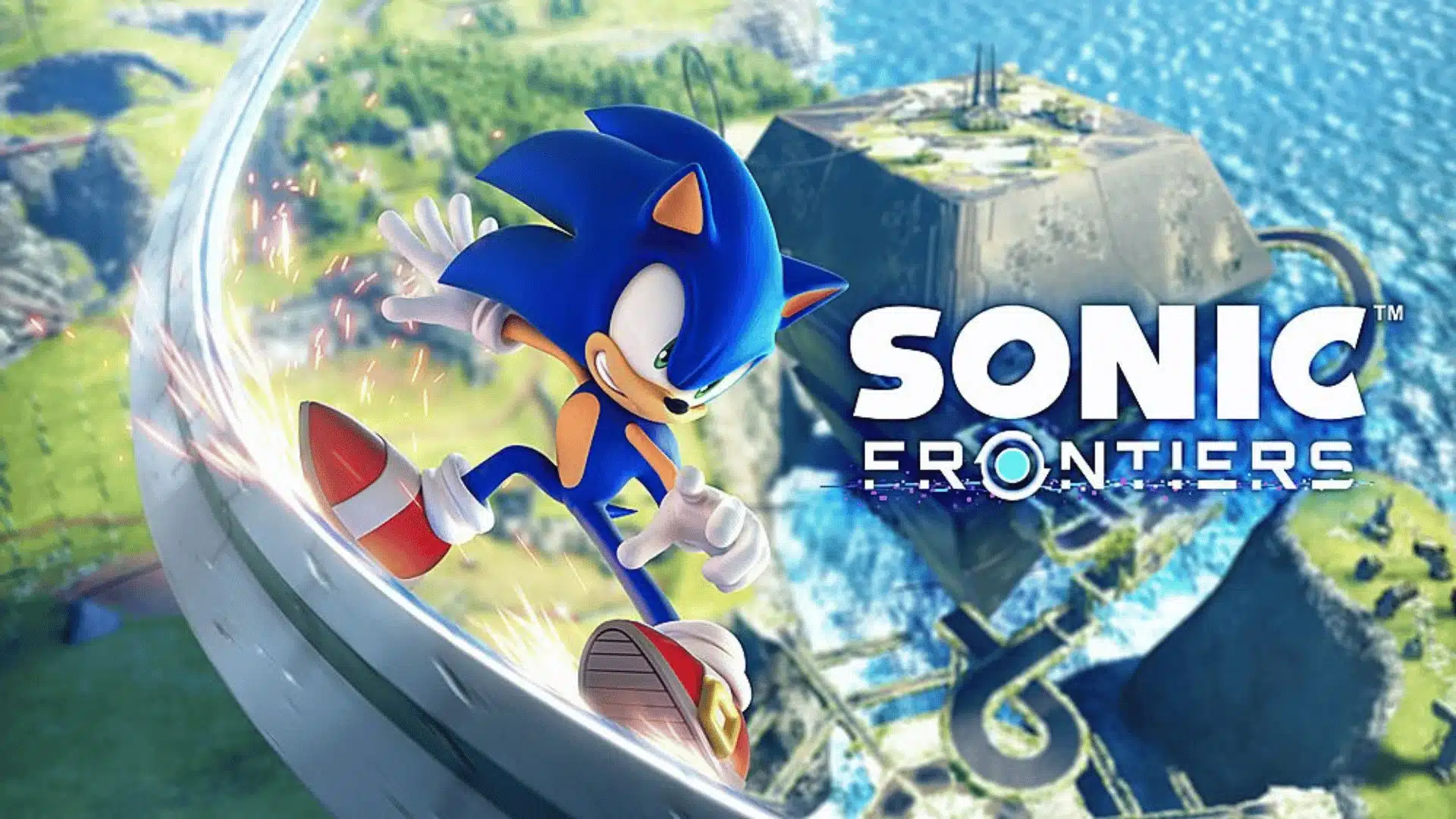
Sonic Frontiers is a 3D action-platformer released in 2022 for PlayStation, Xbox, PC, and Nintendo Switch. It drops Sonic into large open islands with free exploration, combat, and linear speed stages mixed in.
I went in expecting a faster, shinier version of older Sonic games. That was the wrong expectation entirely.
The game is set across the Starfall Islands, wide open zones you can move through freely. But it’s not a simple open world like Breath of the Wild.
Story progress is locked behind collectibles and Cyber Space stages, which are tight, linear levels that feel like they were pulled from a different game.
It took me a couple of hours to stop fighting that structure and just accept what it was.
There’s also a real combat system here: combos, parries, and a skill tree. Coming off Sonic Forces, that felt genuinely surprising. This isn’t a pure running game anymore.
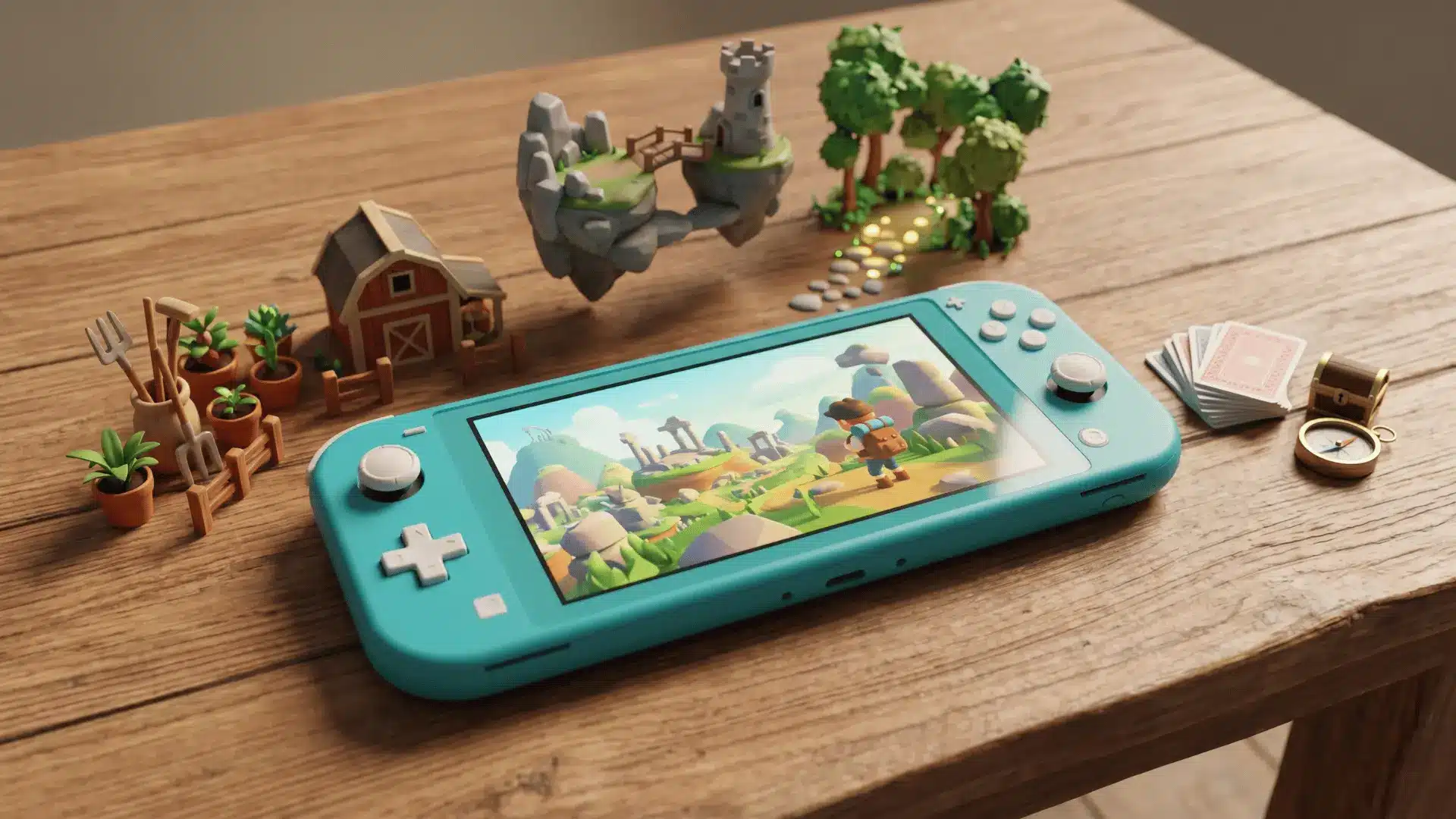
One thing worth flagging before anything else: the Nintendo Switch version is a noticeably different experience from the other platforms.
I’ll cover the specifics later, but it’s worth knowing upfront if that’s how you’re playing.
What’s the Story in Sonic Frontiers?
Sonic, Tails, and Amy get pulled into a strange digital dimension while chasing the Chaos Emeralds, and they end up scattered across the Starfall Islands.
Sonic makes his way across each island alone, piecing together what happened while a mysterious girl named Sage tries to stop him from going any further.
The deeper he pushes, the more a strange corruption starts creeping into Sonic himself, and that thread gives the story more weight than the usual Sonic plot.
It’s not going to win any awards for writing, but it’s more grounded than past entries and gives me an actual reason to keep pushing between exploration and combat.
What Does Sonic Frontiers Get Right?

The strongest parts of Frontiers aren’t just good for a Sonic game. Some of them are genuinely good by any standard. Traversal, combat, and the soundtrack all do real work here.
1. Traversal and the Open Zones
Moving across the Starfall Islands is the best thing about this game. Sonic builds momentum naturally, and the zones are built vertically. There’s always something above you worth reaching.
That combination keeps it interesting longer than I expected.
Most platformers lose their sense of speed once you’ve mastered the controls, but Frontiers keeps adding new grind rails, launch points, and vertical shortcuts the deeper you get into each island, so there’s always a faster route to hunt for.
This is genuinely good traversal by platformer standards, not just a franchise-relative compliment.
2. Combat and Boss Encounters
Sonic has a real moveset now: a skill tree, a parry system, and combo chains that require actual timing, the same kind of timing that shows up in other combo-heavy action games.
It won’t compete with a dedicated action game, but calling it “better than nothing” undersells what changed. The Titan boss battles are where it earns its keep.
These fights have Sonic scaling structures the size of buildings, dodging attacks that span the whole screen, and using every traversal skill he’s picked up on the island just to stay on his feet.
They’re designed to punctuate the open-zone freedom you’ve been building up. After hours of open exploration, hitting a Titan fight lands with real weight. That contrast is intentional, and it works.
3. Soundtrack
The music covers serious tonal ground: quieter nostalgic tracks across the islands, then hard rock that kicks in during boss fights. That shift feels jarring at first, then completely right.
The boss themes became a talking point well beyond the usual Sonic audience. It’s one of those soundtracks that works harder than the game around it sometimes needs it to.
These three elements together make a genuine case for Frontiers, not as a nostalgia play, but as a game that found something new worth building on.
The Core Tension: Why Does Frontiers Feel Like Two Games?
Most of the debate around Frontiers isn’t really about quality. It’s about which half of the game you connected with, and I didn’t fully understand that until my second playthrough.
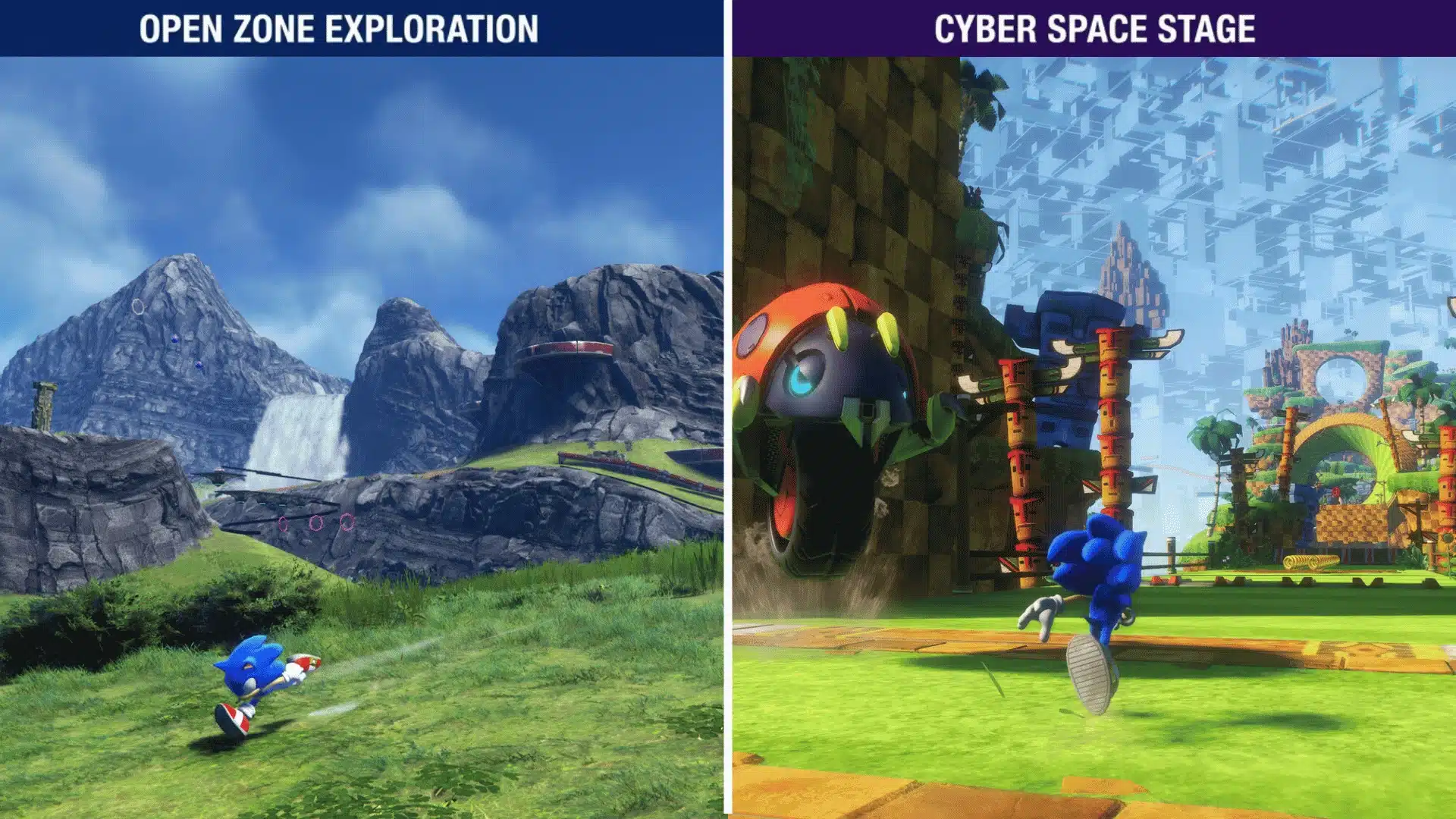
The open zones and the Cyber Space stages are built on completely different design philosophies:
- Open zones: freedom-first, player-driven, momentum-based exploration across wide open space
- Cyber Space stages: linear corridors, time trials, obstacle courses from an older Sonic template
Those two things don’t naturally coexist. I kept waiting for the game to reconcile them. It never does.
Here’s where it became a real problem for me. The open zones are genuinely good at making you feel fast and capable. The longer I spent in them, the more instinctive the movement felt.
Then a Cyber Space stage would pull me out completely.
It’s not just a change of pace. It’s a reset. Everything the open zone built gets interrupted by a corridor demanding entirely different attention. The better the zones felt, the worse each interruption landed.
And you can’t avoid it. Unlocking story progress requires:
- Grinding collectibles scattered across the open zones
- Replaying Cyber Space stages to meet completion thresholds
The game’s best element is repeatedly held hostage by its weakest one. Once I noticed that pattern, I couldn’t stop noticing it.
This is why reactions scale so directly with traversal investment. If the open zones clicked for you, every forced detour feels like a punishment, and I’ve been on both sides of that.
Sonic Unleashed had the same identity problem. Fast daytime stages constantly interrupted by slow Werehog sections. Frontiers repeats that pattern, just with higher stakes and a better open zone.
Compared to Sonic Forces, Frontiers reaches further but stumbles harder. Forces are consistent because it doesn’t try as much.
Frontiers has a higher ceiling and a noticeably lower floor, and that gap is exactly where the split reactions live.
Where Sonic Frontiers Falls Short?
Frontiers has real problems: visual roughness, repetitive structure, and a difficulty curve that barely exists on default settings.
These aren’t deal-breakers, but they’re worth knowing before you start. I didn’t expect Sonic Frontiers’ Metacritic score of 70 on PS5 to feel as accurate as it does. The issues are genuine.
That said, the community score runs noticeably higher, and once you’ve played it, both reactions make complete sense.
1. Visual and Technical Performance
The visuals are uneven, and texture pop-in was the first thing I noticed. It never fully goes away, but how much it bothers you depends heavily on your platform.
| Platform | Visual Quality | Pop-In | Performance |
|---|---|---|---|
| PS5 / PC | Clean, stable | Present but manageable | Smooth, easy to overlook |
| Nintendo Switch | Noticeably lower resolution | Frequent, more disruptive | Frame rate inconsistency throughout |
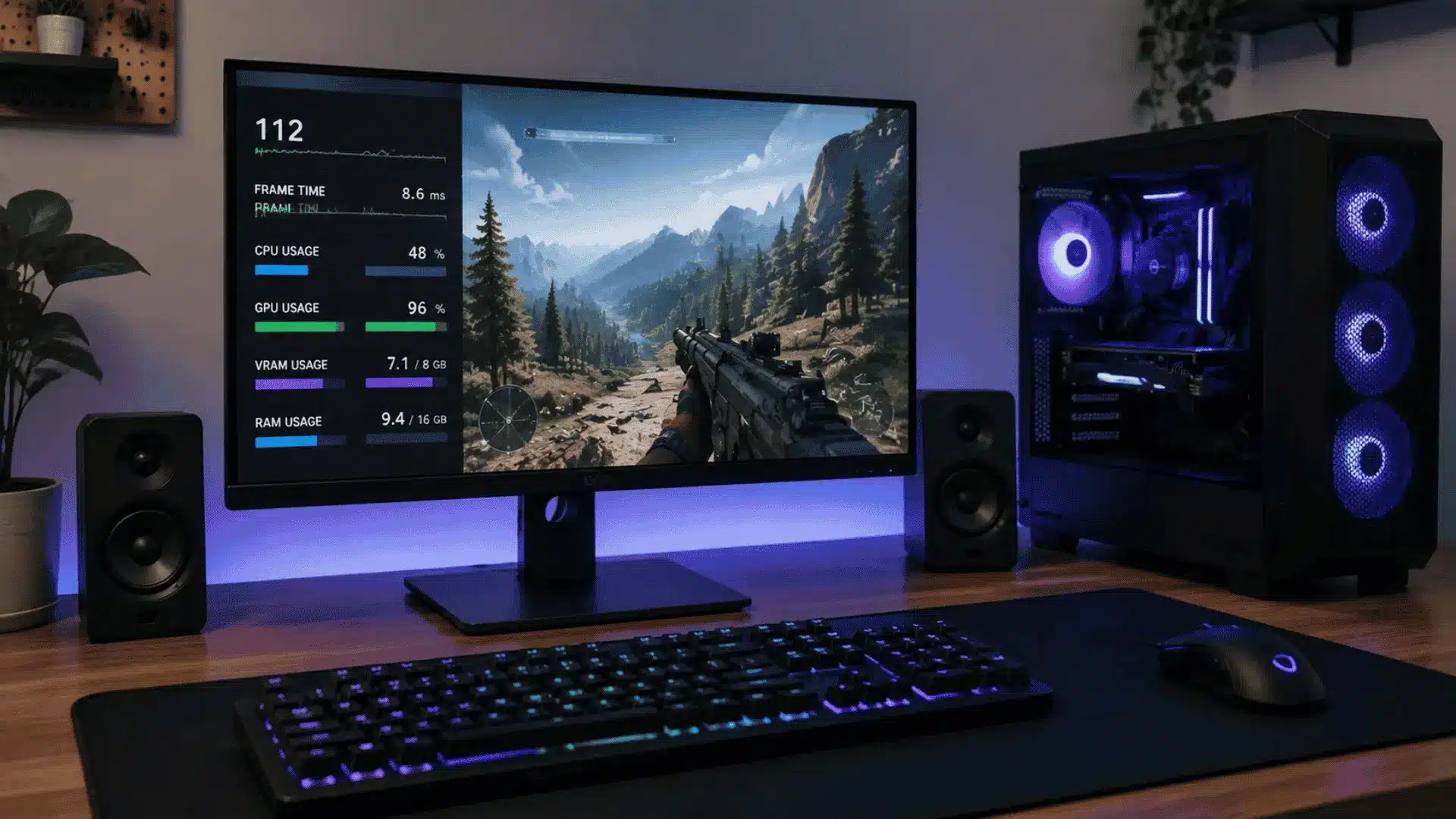
If you’re chasing every last bit of headroom out of the PC version, a few tweaks to your gaming setup smooth out most of the remaining stutter.
Camera quirks and minor bugs showed up regularly in my playthrough. On PS5, they were annoying, not damaging.
2. Pacing and Repetition
I covered the structural side of this earlier. The Cyber Space stages and collectible loop work against the game’s best qualities. What I didn’t expect was how much that compounds as the hours add up.
| Game Stage | Experience |
|---|---|
| Early hours | Feels fresh because the open zones are new and exciting |
| Mid-game | The loop starts to drag noticeably |
| Late game | Leans harder on collectible grinding before progress unlocks |
The back half felt noticeably longer than it needed to. Not broken, just worn thin by the time I got there.
3. Difficulty and Challenge
I played through on default settings first and barely felt tested. Looking back, I should have gone straight to the greatest difficulty. It makes a real difference to how the combat and traversal challenges feel.
| Mode | Difficulty Level | Who It Suits |
|---|---|---|
| Default settings | Too easy for most experienced players | Casual or younger players |
| Highest difficulty | Meaningfully more engaging | Recommended for experienced players |
| Final Horizon DLC | Significant spike that catches many off guard | Players who want a real challenge |
Several of these weaknesses read worse on paper than they played in practice for me. Calibrate your expectations to the genre, not just the review scores.
The Final Horizon DLC: Does It Fix or Complicate Things?
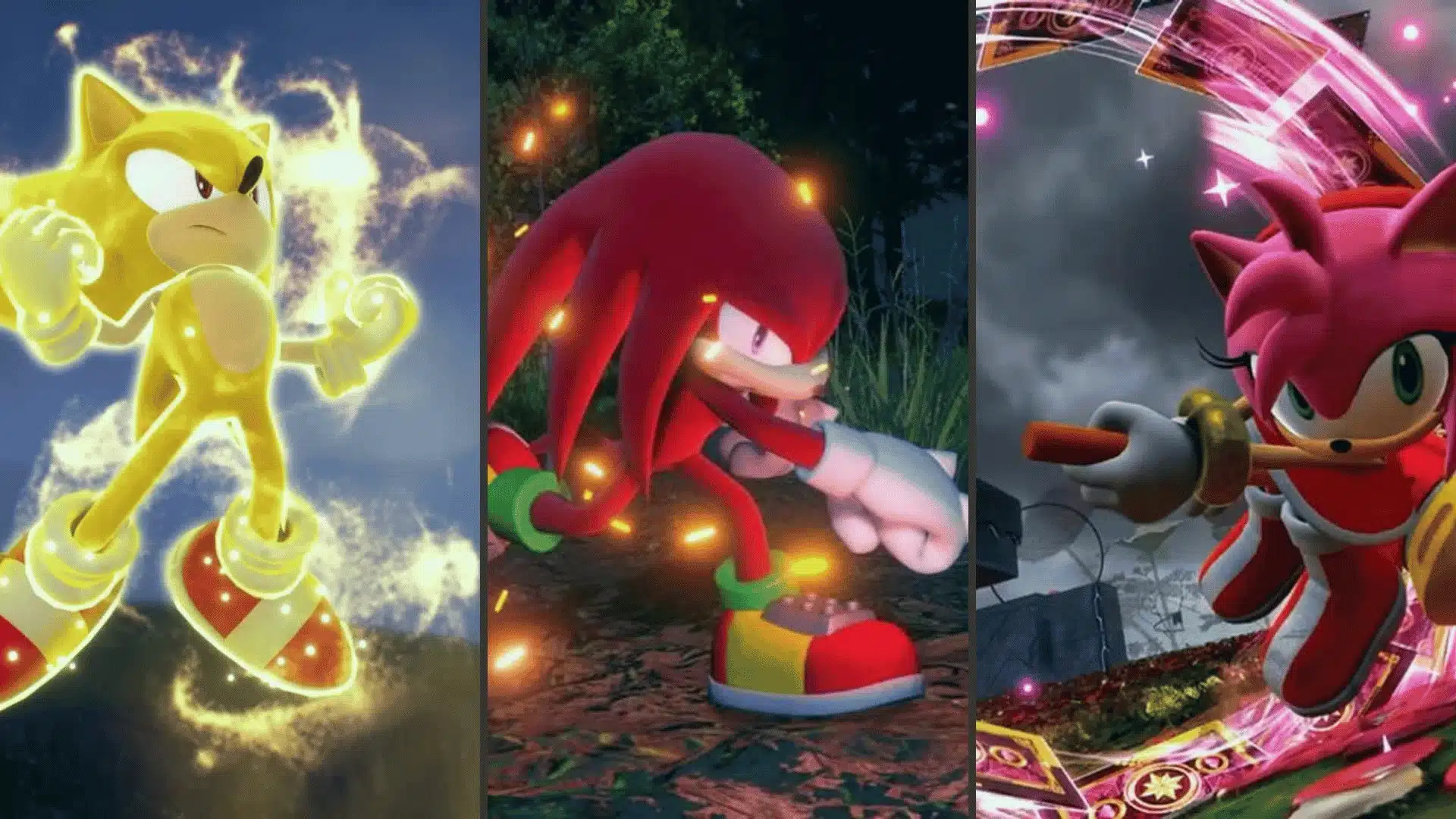
The Final Horizon DLC adds three playable characters: Tails, Knuckles, and Amy, along with new story content and a new boss encounter.
I went in hoping it would smooth out some of the base game’s rougher edges. It doesn’t.
What it does do well is add variety. Each character has a distinct moveset, and playing as someone other than Sonic felt genuinely fresh after hours with the base game.
The difficulty caught me off guard. Final Horizon is significantly harder than the main campaign. I found some of it rewarding and some of it frustrating, sometimes within the same section.
The structural problems I mentioned earlier are still there.
The DLC adds content on top of the existing loop, not around it. If the pacing bothered you before, it will still bother you here.
One update worth knowing about if you’re buying today: Sega has since packaged the base game, the Final Horizon campaign, and every post-launch update into a Sonic Frontiers Definitive Edition.
There’s no discounted upgrade path from the original Switch version, so weigh that before double-dipping.
Who Should Play Sonic Frontiers and Who Should Skip It?
Sonic Frontiers is worth playing, but not for everyone, and not at every price. Who you are as a player matters more than any review score here.
This is the kind of split I used to see play out at the counter every week.
A kid asking if a game is good and someone in their thirties asking if it’s worth full price are asking the same question; they just need it answered differently.
- Play it if you have any history with 3D Sonic and can tolerate an uneven structure for the sake of genuine highs. The traversal and boss encounters alone justify the time for the right player.
- Adjust your expectations if you’re coming from open-world games like Breath of the Wild. The islands are large but not dense. Don’t expect systemic depth or a living world.
- Wait or skip if every 3D Sonic has already bounced off you. Frontiers doesn’t fix the consistency problem. It just raises the ceiling. If you’re picking between this and other entries in the current Switch library and you’re sensitive to performance issues, the Switch 2 Definitive Edition is the safer buy over the original Switch version.
On price: at launch cost, the flaws sting more than they should.
At a discount, the high-to-price ratio improves significantly. I got more out of it the second time, partly because I paid less and expected less.
Frontiers isn’t a good or bad game in any simple sense. It’s a player-type game, the same way I’d frame most 7/10 on my scoresheet.
If your type matches what it does well, it’s one of the better platformers I’ve played in this era. That’s not a Sonic caveat. That’s just the verdict.
Conclusion
Sonic Frontiers surprised me in ways I didn’t see coming and frustrated me in ways I probably should have expected going in.
The traversal feels genuinely great, the boss fights hit hard, and the soundtrack works overtime in all the right moments throughout.
But the tension between open zones and Cyber Space stages never resolves. Now you know exactly where the game earns its praise and where it quietly falls apart.
If it sounds like your kind of game, grab it on sale. If it doesn’t, that honest answer just saved you the time and frustration.
Are you planning to buy Sonic Frontiers or waiting for another Sonic game? Tell us in the comments below.
Frequently Asked Questions
Is Sonic Frontiers Actually Good?
It’s genuinely good in specific ways. The traversal and boss fights are excellent. But repetitive stage design and uneven pacing hold it back from being consistently great.
How Hard Is the Final Horizon DLC?
Significantly harder than the base game. The new challenges demand real precision and persistence. Players who found the main campaign too easy will likely welcome that difficulty shift.
Is Sonic Frontiers Better than Sonic Forces?
Frontiers is more ambitious with a higher ceiling. The open zones and Titan fights beat anything in Forces. But Forces is tighter and more consistent throughout.
Does Sonic Frontiers Run Well on Nintendo Switch?
The original Switch release is the weakest version: lower resolution, frequent pop-in, and frame rate issues appear throughout.
The 2026 Definitive Edition on Switch 2 fixes most of that with steadier performance and shorter load times, so if you’re on Nintendo hardware, that’s the version to look for.