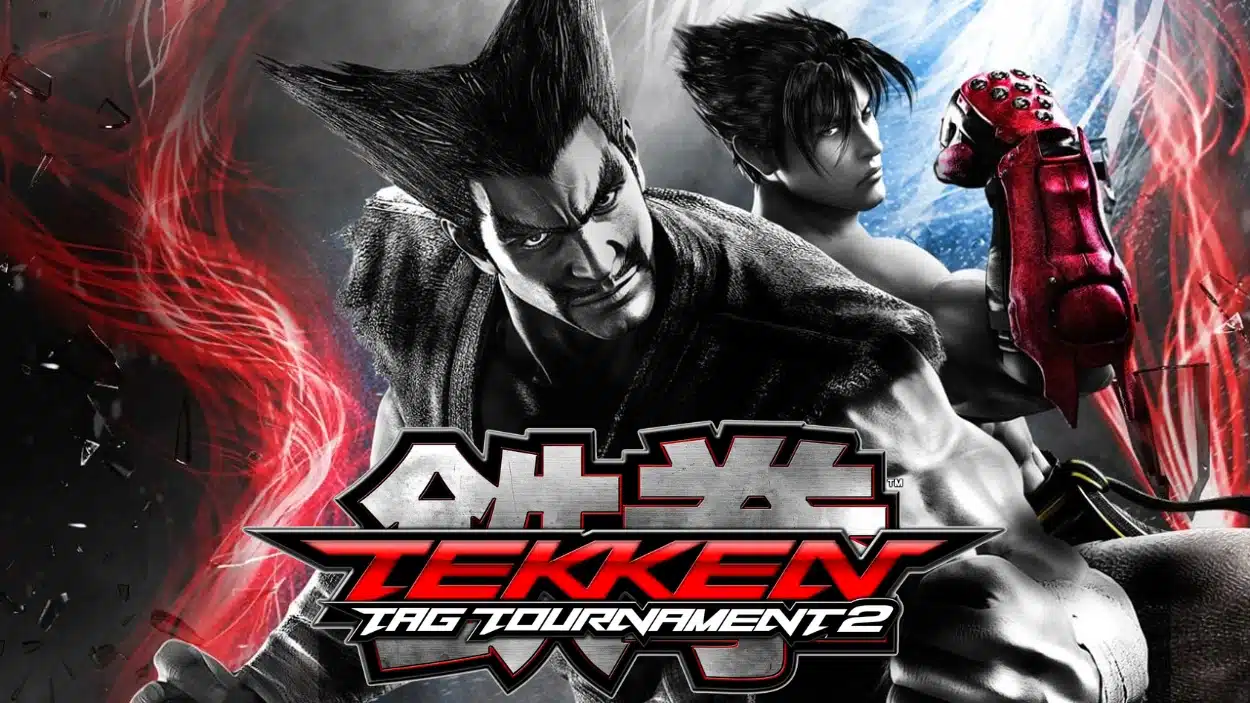
Tekken Tag Tournament 2 is one of those fighting games people either defend hard or criticize just as strongly. You may hear one player praise its huge roster, then another call it messy for serious competitive play.
That split is what makes a Tekken Tag Tournament 2 review more interesting than a simple score.
I will explain whether TTT2 is worth playing today, how the tag system works, and where it falls short. You will also see why casual players often love it, why competitive players moved away, and who should still try it now.
Before judging the final verdict, let us first look at what TTT2 actually is and what it was never meant to be.
What Tekken Tag Tournament 2 is (and What It Isn’t)?
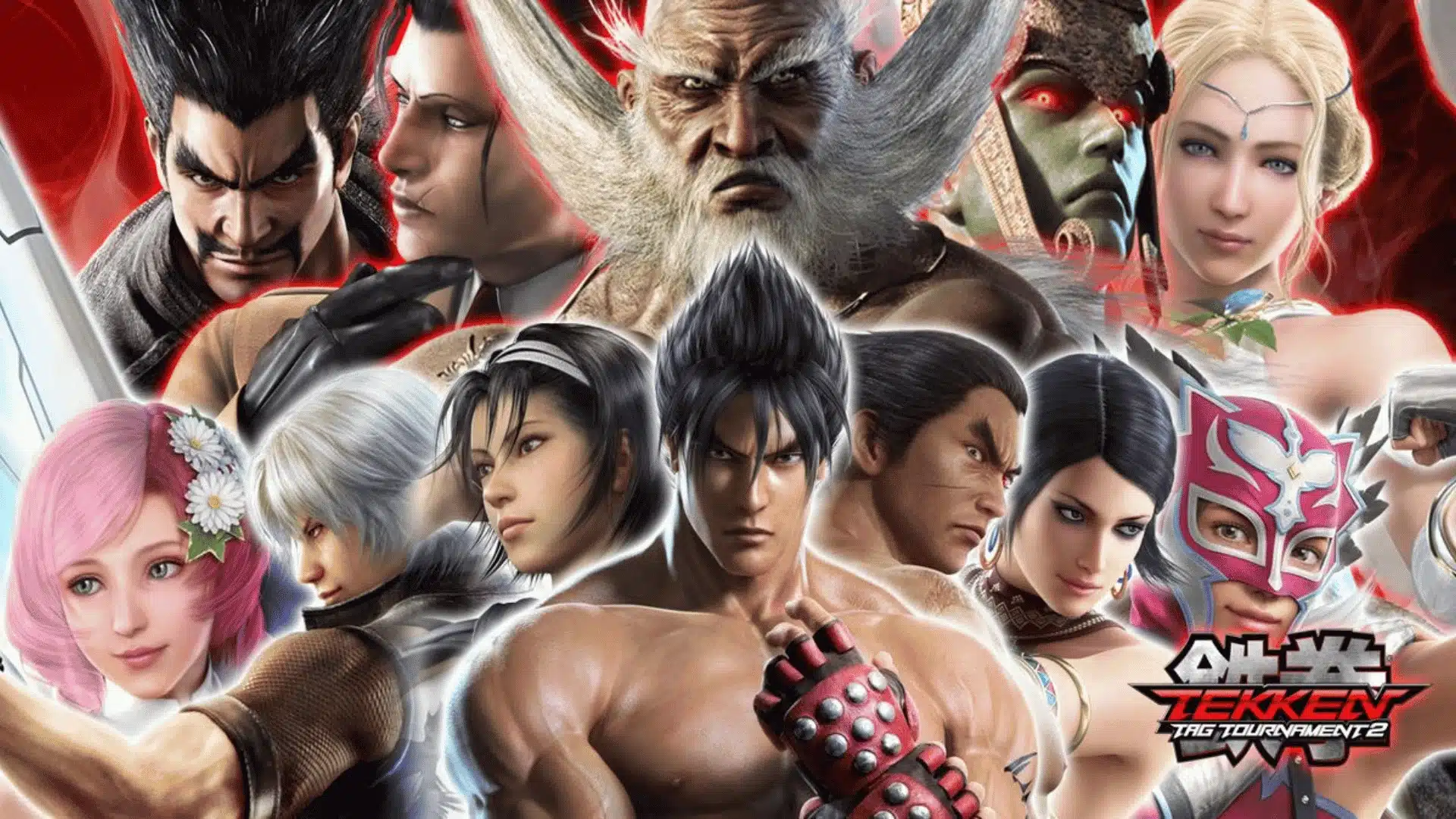
Tekken Tag Tournament 2 is a non-canonical 2v2 tag fighter released in arcades in 2011, hitting PS3, Xbox 360, and Wii U in 2012 with a roster that swelled past 50 characters once post-launch DLC fighters were folded in, making it the largest lineup any Tekken game has offered.
It sits completely outside the main Tekken timeline. No canon events, no story continuity, just a roster built for fighting and not for narrative convenience or series chronology.
The Non-Canonical Format and What It Means for the Roster
Mainline Tekken entries are constrained by their own fiction.
Characters age, die, or get written out, which quietly limits who can realistically appear each generation without breaking the story. TTT2 discards that entirely.
Ancient Ogre, Kunimitsu, and Michelle Chang, characters absent for a decade, return here because there is no need for narrative justification.
Freedom from canon is what makes a roster this size possible.
How Does the Tag System Change Tekken’s Core Loop?
You pick two characters; one fights, and the other recovers red health on the bench.
That sounds minor until you realize it changes every decision, when to rotate, and how to manage health across both fighters simultaneously.
I spent the early hours tagging out in panic. That was wrong. The system rewards proactive rotation, banking recovery before you need it.
Tag Crash and Tag Assault add more resource layers on top.
TTT2 rewards players who already know Tekken and want more on their own terms. New players will find little to hold onto beyond the fighting itself.
Roster, Customization, and Modes: Where TTT2 Is Genuinely Exceptional?
TTT2 scored 8.5 on GameSpot and 7.5 on IGN at launch in 2012, with commercial success to match.
Its competitive lifespan was short, but the content offering was genuinely hard to argue with. I remember thinking the roster number was marketing.
Then I sat down and actually scrolled through it the way I do with every fighting game I cover for a ranked list, and half of these characters hadn’t been playable in a mainline entry for years.
1. The Roster: Who’s Here and Why It Matters
The real value isn’t the count; it’s the range. TTT2 pulls from Tekken 2 through Tekken 6, bringing back characters the main series had quietly retired.
- Unknown, Kunimitsu, Ancient Ogre, none of these have appeared in mainline canon
- Legacy picks like Michelle Chang and Prototype Jack fill gaps that storyline constraints kept closed
- The non-canonical format is what makes this possible, not just a design decision but a structural unlock
More characters only matter if you can actually explore them.
That caveat becomes important later, but at the roster level, the breadth is real and earned. It is the same instinct that made Namco keep pulling from earlier Soulcalibur entries for guest character lists.
If you want to see how a different studio handled a legacy roster on the same generation of hardware, GameCube’s catalog of fighting games is worth a look for comparison.
2. Customization Depth
I assumed customization meant outfits. It does, but the item moves changed that assumption quickly.
Equipping certain costume pieces attached actual special moves to your character, small animations that dealt damage or altered interaction.
- Item moves were not competitively significant, but they added personality and a mild amount of variance to casual matches.
- The cosmetic system itself was deep enough to sink hours into without touching a single fight.
- Tekken Tunes let you replace in-game music with your own tracks, genuinely unusual for a fighting game in 2012.
The item charmed me for a weekend, then faded into the background noise. They were novelty, not substance, but they were good novelty.
3. Mode Suite
Fight Lab was where I spent my first hour, training with Combot through a structured combo introduction. It was useful for basics and insufficient for anyone serious about the tag system specifically.
- Ghost Battle lets you grind against AI profiles that mimic real players’ tendencies, making it useful for character exploration.
- Pair Play added couch co-op tag, two players sharing one team across both characters simultaneously.
Each mode had a clear purpose rather than existing to inflate the menu.
If you’re asking whether TTT2 is worth playing today purely for content, the answer is yes. The mode suite holds up as a solo and local multiplayer package without needing online to justify it.
TTT2 earns its reputation on content volume alone, but content only takes you so far before the game’s deeper mechanical tensions start to show.
How the Tag System Actually Works, and Where It Creates Problems?
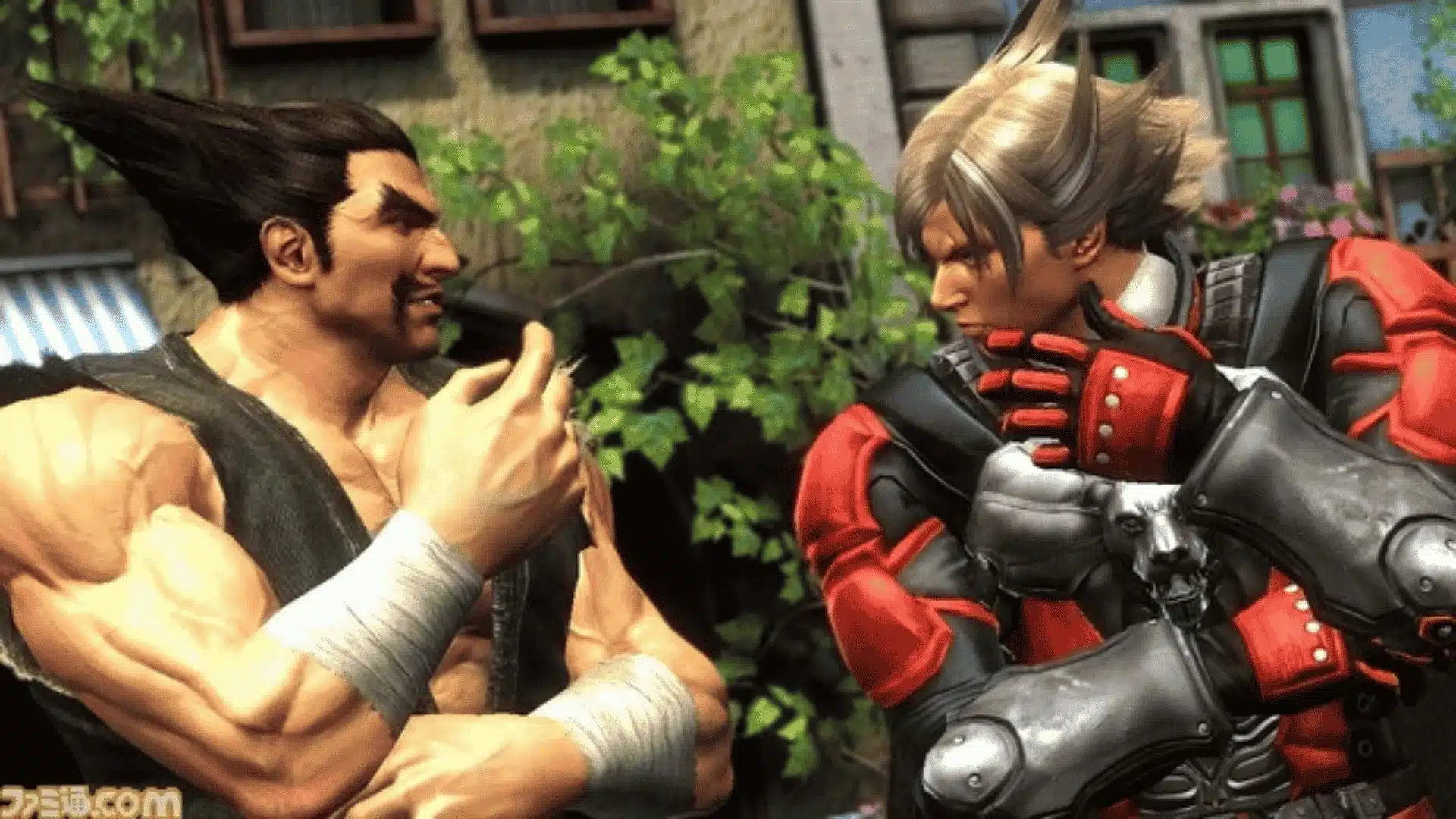
The tag system is why TTT2 feels different from every other Tekken entry. It is also, at a high level, where the game’s most significant tension lives.
I spent weeks thinking the damage was just something you adapted to.
It took longer to understand that the damage wasn’t random; it was the predictable output of three mechanics stacking in a specific order.
Tag Assault and the Bound System
Tag Assault lets you tag in your partner mid-combo, with the incoming character extending the chain.
That single mechanic is what makes TTT2 offensively spectacular and why coordinated team synergy feels meaningful.
- The Bound system lets certain moves spike the opponent to the floor mid-combo, creating an extension window before they can recover.
- Bound into Tag Assault meant that one launch could produce a 10- to 14-hit combo across two characters before the opponent acted.
- The design logic was sound: reward teams that practiced together, and make synergy feel earned.
I kept getting caught by this combination before I understood what was happening. Once I saw the structure, the combos stopped feeling random and started feeling inevitable.
Wall Carry and Damage Scaling
Stage walls in TTT2 do not just stop movement. Carrying an opponent to the wall creates a fresh Bound extension opportunity, effectively resetting the combo’s damage window against a hard surface.
- Tag Assault into wall carry into Bound produced damage figures widely reported in the community as reaching 70 to 80 percent of a health bar.
- The Rage system, which activates a damage boost at low health, added another layer to an already compressed health economy.
- Tag Crash offered a defensive answer, spending your benched character’s health to break a combo, but it traded one resource problem for another.
The wall was not just a boundary. It was a damage amplifier, and once I started treating it that way, I understood why certain matchups felt so one-sided.
The Cascade: Why Synergy Gaps Undermined the Roster’s Promise
TTT2 did not fail broadly. It was not commercially successful but received good reviews in 2012 and is still held in genuine affection by the community today.
What failed was competitive longevity, and the mechanical cascade above explains exactly why.
- The best tag pairings, Jin and Kazuya being the most cited example, could wall carry from almost any launch and maximize the full damage chain.
- Off-meta or legacy character pairings produced significantly less damage per launch, not because those characters were weak individually, but because their synergy did not support the full cascade.
- Players who wanted to explore the roster the game was built around were mechanically penalized for doing so at any serious level of play.
TTT2 is not broken. It is internally consistent. But that consistency produced a ceiling where the game’s greatest selling point, play anyone, explore everything, became the thing the system quietly punished most.
TTT2’s mechanics reward coordination and punish experimentation simultaneously, a tension the game never resolves and never fully acknowledges.
Competitive Viability vs. Casual Experience: Two Different Verdicts
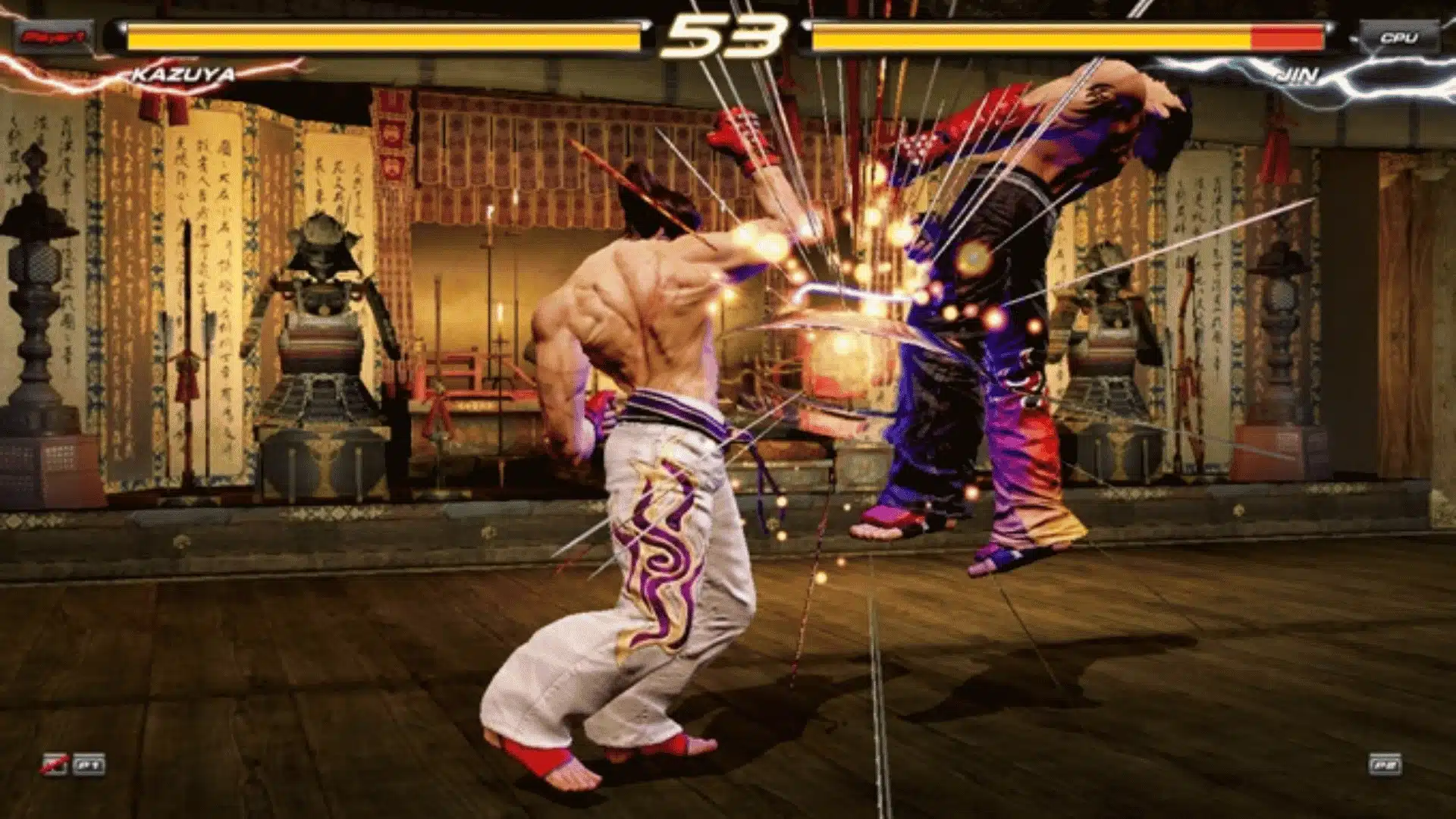
If you’re playing to win at a high level, the damage system concentrates viability into a small number of optimized pairs. The roster’s breadth becomes theoretical rather than practical.
I learned this the hard way, spending hours labbing legacy characters before realizing the synergy gap wasn’t something I could practice my way out of at serious play.
What Competitive Players Actually Experienced?
TTT2 appeared at EVO, but the competitive scene contracted faster than most tag fighters of its era.
The synergy tier problem centralized tournament play around a narrow set of optimized pairings.
What I noticed watching high-level play was how predictable team selection became. The roster that felt infinite in casual lobbies quietly narrowed once results started mattering to anyone seriously.
What Do Casual Players Actually Experience?
For casual players, the damage system is largely irrelevant.
Local multiplayer, legacy character exploration, and learning Tekken fundamentals all sit outside the competitive ceiling that caused the scene to contract.
TTT2 at the casual level is close to ideal. The visual spectacle holds up, the variety is genuine, and the entry feel is fair enough that new players find their footing without being overwhelmed.
That split holds up against the game it is most often measured next to as well. At the casual level, TTT2 offers more content, better presentation, and a larger roster than Tekken 6.
At the competitive level, Tekken 6’s tighter damage model aged more cleanly and transfers better to current play.
Presentation, Platform Differences, and Legacy
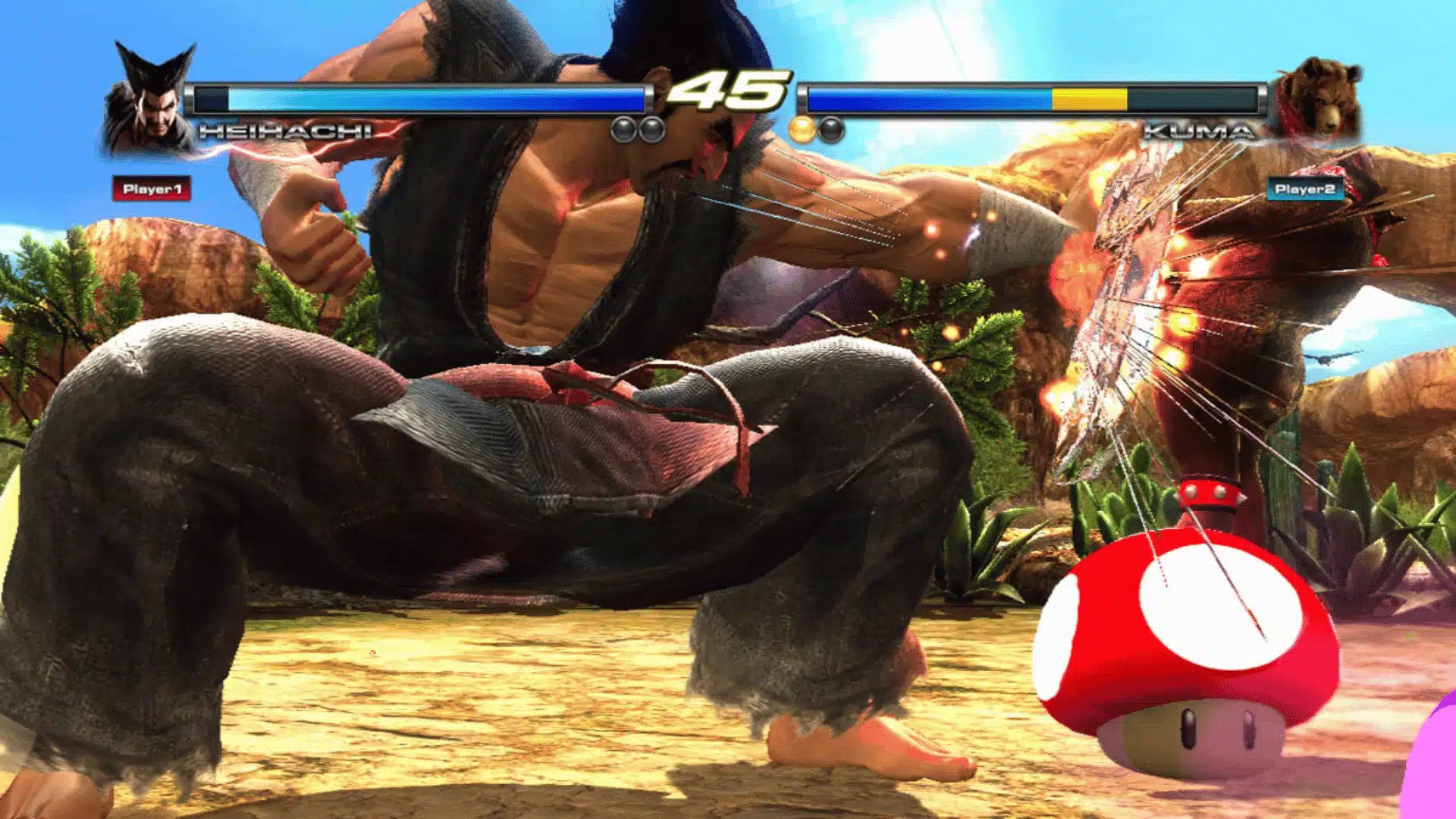
TTT2 arrived in 2012 as a technically ambitious release. How it looks and sounds today tells a different story, one worth being honest about before recommending it.
I revisited it recently, expecting it to hold up better than it did. The gameplay still feels sharp, but the presentation gap between 2012 and now is genuinely noticeable in ways I did not anticipate.
Visuals and Audio: 2012 Benchmark, Today’s Reality
TTT2 was a strong visual showcase in 2012, with detailed character models, a generous variety of stages, and lighting that held up against anything else in the fighting game space.
| Element | 2012 Assessment | Reality Today |
|---|---|---|
| Character models | Genre-leading detail | Visibly dated textures |
| Stage variety | Generous and distinct | Holds up reasonably well |
| Lighting | Impressive for the era | Flat compared to current gen |
| Animation quality | Fluid and responsive | Reads stiff against modern entries |
| Audio design | Clean and punchy | Still functional, unremarkable |
The age shows clearly now. Textures lack the resolution current players expect, and animations that felt fluid at launch read as stiff against modern Tekken entries.
Wii U Edition: The Definitive Version
The Wii U Edition was not a port; it was a content expansion, and it earned a reputation at the time as one of the strongest Tekken packages ever assembled, without overstating the case.
| Wii U Exclusive Feature | What It Added |
|---|---|
| Nintendo-themed costumes | Heihachi as Mario, Ganryu as Donkey Kong, others |
| Mushroom Battle mode | Items and power-ups mid-fight, casual party layer |
| Off-TV Play | Full game playable on GamePad screen alone |
| Additional content volume | More than PS3 and Xbox 360 versions at launch |
Heihachi in a Mario outfit sounds like a joke until you see Mushroom Battle mode and Off-TV Play sitting alongside it.
This was a genuine platform-specific attempt, and it puts TTT2 in the same conversation as other fighting games that leaned into a tag or team format around this period, including team-based arena fighters that came after it and tried the same trick with mixed results.
Tekken Tunes and Soundtrack
Tekken Tunes let you replace any in-game track with music from your own library, which was a genuinely unusual level of audio customization for a fighting game released in 2012.
| Tekken Tunes Feature | Detail |
|---|---|
| Custom track replacement | Any in-game music replaceable with personal library tracks |
| Scope | Per-stage and per-character music customization |
| Platform availability | PS3 and Xbox 360 confirmed, verify Wii U scope |
| Status in later entries | Removed from Tekken 7 and Tekken 8 |
I used it more than I expected to. The default soundtrack was solid, but having full control over the audio environment changed how sessions felt in ways that were hard to explain.
Where TTT2 Sits in Tekken History?
TTT2 is the last tag-format Tekken released, with no TTT3 announced and no indication from Bandai Namco of returning to the format in any current planning cycle.
| Legacy Marker | Detail |
|---|---|
| Last tag format entry | No TTT3 announced or indicated |
| Design direction status | Closed, not continued into Tekken 7 or 8 |
| Critical reception at launch | Averaged critic scores in the low 80s across platforms |
| Community standing today | Positive reappraisal, growing retrospective affection |
That makes TTT2 a closed chapter rather than a foundation, a design direction the series explored fully and then stepped away from, which gives it a particular kind of finality.
Part of why that reappraisal keeps growing is timing.
Tekken 8’s Heat system has drawn its share of criticism for damage scaling from the competitive community, and that has sent a fair number of players back to TTT2 with fresh appreciation for what it got right.
The reappraisal is real, and the PS3 version remains accessible via PlayStation backward compatibility, though it is worth verifying digital availability before purchasing, as store listings can shift.
TTT2 closed a design era cleanly and completely, making revisiting it feel more like engaging with an archive than with a living entry in the series.
Who Should Play TTT2 Today?
Play TTT2 if you want Tekken at its biggest, strangest, and most roster packed.
It works best as a deep casual fighting game, especially for players who enjoy testing teams, finding old favorites, and playing locally with friends.
The extensive character list, tag system, legacy moves, and variety of modes make it feel like a celebration of the series rather than a clean competitive starting point.
TTT2 is also worth playing if you already know Tekken and want to understand one of the most debated entries in the franchise.
I would recommend it without hesitation for fans who care more about fun, variety, and couch sessions than modern ranked preparation.
Its best version is not the tournament version, the one where you pick wild teams, learn strange matchups, and enjoy how much Tekken history is packed into one game.
Who May Not Like the Game?
TTT2 is not the right pick for every player, especially if your goal is current competitive improvement.
- New ranked players: Avoid it if you want clean preparation for Tekken 8, since its tag habits do not transfer smoothly.
- Competitive grinders: The online scene is no longer active enough for serious ranked growth.
- Fundamentals-focused players: Bound extensions, tag routes, and wall carry can teach habits that feel awkward in newer games.
- Balance sensitive players: Team synergy gaps can make some matchups feel uneven, especially at higher skill levels.
- Simple entry seekers: The huge roster and tag layer can feel overwhelming if you only want a focused Tekken starting point.
- Modern Tekken learners: Tekken 7 or Tekken 8 will teach more relevant spacing, combo structure, and ranked decision-making.
Conclusion
A Tekken Tag Tournament 2 review works best when the game is judged by the kind of player picking it up. You should play TTT2 for its huge roster, wild tag teams, local fun, and deep variety of casual modes with friends.
I would not use it as serious training for modern Tekken because its tag habits do not fit cleanly into today’s game.
The game still matters because it shows both the best and messiest sides of Tekken when freedom goes too far. Go in expecting a bold side entry, not a clean ranked path, and the final verdict becomes much easier.
Would you play TTT2 for casual fun or skip it for modern Tekken ranked play? Tell us, share with us in the comments below.
Frequently Asked Questions
Does Tekken Tag Tournament 2 Have a Story Mode?
TTT2 has no traditional story mode. Each character has an Arcade Mode ending cinematic, but there is no connected narrative, campaign, or plot progression.
Why Did Tekken Tag Tournament 2 Fail Competitively?
TTT2’s competitive scene contracted because Tag Assault, the Bound mechanic, and wall carry combined to produce extreme damage from single launches, making character tier gaps unsustainable and roster experimentation impractical.
Is Tekken Tag Tournament 2 Better Than Tekken 6?
For casual players, TTT2 is the stronger experience with more content and roster variety. For competitive preparation, Tekken 6’s tighter damage model ages more cleanly and transfers better.
Is Tekken Tag Tournament 2 Worth Playing Today?
Yes, with conditions. As a casual local multiplayer experience with access to legacy characters, TTT2 remains content-rich. Players seeking competitive viability or an active online ranked scene should adjust expectations accordingly.