
Valorant is a 5v5 tactical shooter where every round centers on planting or defusing a device called the Spike. It sounds simple at first, but each round plays out like a fast decision-making puzzle where timing matters more than raw aim.
Attackers try to plant the Spike and hold it until it detonates, while Defenders try to stop the plant, defuse it, or eliminate the opposing team. A match continues until one side reaches 13 round wins, and each round resets the pressure from scratch.
The real flow of the game comes from how each round shifts between buying gear, setting up positions, and fighting for control. Once you understand that rhythm, the rest of Valorant starts to make a lot more sense.
Mac users should first check whether Valorant is available on macOS.
What Is Valorant and How Does a Match Work?
Valorant is a 5v5 tactical shooter in which one team attacks by planting a device called the Spike, while the other team defends by stopping them. A match is played until one team wins 13 rounds.
Each round splits players into Attackers and Defenders. Attackers win by eliminating the opposing team or planting the Spike and letting it detonate. Defenders win by stopping the plant, eliminating all Attackers, or defusing the Spike after it has been planted.
Once the Spike is planted, a 45-second timer begins, shifting the entire round. Attackers must hold space long enough for it to explode, while Defenders are forced to push or rotate quickly to defuse it before time runs out.
How Each Round Actually Plays Out
Every Valorant round begins with a Buy Phase, a short window where both teams spend credits on weapons, shields, and abilities before the action starts.
The Buy Phase
Before any shooting starts, both teams go through a short Buy Phase of around 30 seconds. This is where you spend credits on weapons, armor, and abilities; whatever you choose is locked in for that round, with no changes afterward.
Armor comes in two types, Light Shield and Heavy Shield, while weapons range from free pistols to high-cost rifles. Most abilities are bought each round, except your Signature ability, which recharges automatically.
The Live Round
Once the Buy Phase ends, the round begins, and both teams move into position. Attackers push toward Spike sites labeled A, B, or sometimes C, while Defenders spread out to hold sites or block early advances.
A round ends in one of three ways: the Spike detonates after its 45-second timer, a Defender defuses it, or one team eliminates the other. Because any of these outcomes can happen at any time, every position and decision matters from the first second of the round.
Understanding the Economy: How Credits Work
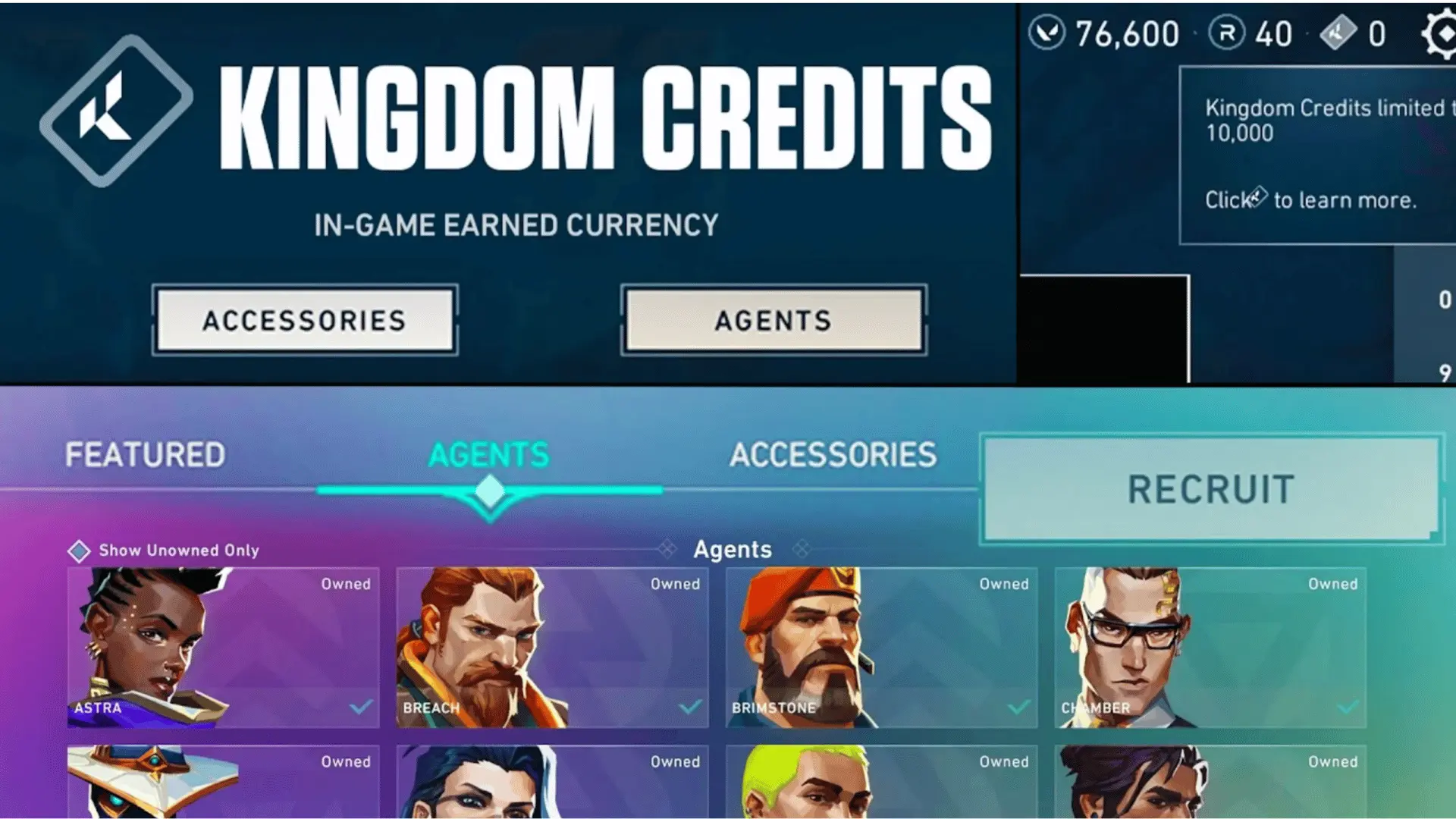
Credits decide what you can buy each round, and they reset based on how the previous round played out. Winning, losing, kills, planting the Spike, and defusing all feed into how many credits you get.
Wins pay more, but losses come with a scaling bonus that grows the longer a losing streak continues. That system keeps matches stable instead of letting one team snowball too early.
To put numbers on it: a round win pays 3,000 credits, while a loss pays 1,900 for your first loss, 2,400 for a second straight loss, and 2,900 for every loss after that.
A “save round” is where most players get confused. If a teammate buys only a pistol, or nothing at all, while others can afford rifles, it is not random. It is a team decision to protect credits for a stronger full buy next round.
Splitting spending on a weak buy often leaves the team underpowered, whereas saving together creates a full loadout for all five players, which is far more effective.
That’s where the loss bonus matters most. After a few losses, the game increases payouts enough that a team can often recover quickly and reach a full buy again.
Learning when to save and coordinating with your team rather than playing alone are among the first real steps toward understanding how Valorant’s economy controls the pace of a match.
Agents, Roles, and What to Pick First

Every Valorant agent belongs to one of four roles, and each helps the team in a different way.
Understanding these roles makes it easier to choose your first agent and learn how your team works together. Sage and Sova are great beginner picks because their abilities are simple and useful.
| Role | What It Does | Good Beginner Pick |
|---|---|---|
| Duelist | Takes the first fights and creates space for the team to enter sites. | Phoenix |
| Initiator | Reveals enemy positions and helps teammates push into contested areas. | Sova |
| Controller | Uses smoke and other utilities to block sightlines and control key areas. | Brimstone |
| Sentinel | Defends sites, watches flanks, and provides defensive utility to teammates. | Sage |
You do not need to master every role right away. Pick one beginner-friendly agent, learn how their abilities work, and focus on understanding the game’s core mechanics before trying more advanced characters.
1. Movement and Shooting
If you shoot while moving, your bullets spread out and lose accuracy immediately. Even a strong aim does not matter if your shots are not taken while you are fully stopped.
This shows up most in close fights where players panic and strafe while firing. What looks like bad aim is often just shooting too early, before the character has fully stopped.
2. Counter-Strafing and Crosshair Placement
Counter-strafing is how you fix that timing. If you are moving in one direction, tapping the opposite key brings you to a stop more quickly, so you can shoot more accurately.
It turns movement into controlled bursts instead of messy spraying. Crosshair placement works with this instead of separately.
Keeping your aim at head level, where enemies are likely to appear, means you are already close to a clean shot the moment you stop moving. You are reducing the amount of adjustment you need under pressure.
3. Using Abilities in Real Matches
Abilities are strongest when they shape the fight before it starts. They can block sightlines, force movement, or give information that decides where you should aim and position yourself.
A common mistake is holding the utility too long, waiting for the perfect moment. In most rounds, that moment never comes, and the ability goes unused.
Using utility early creates better fights instead of reacting after control is already lost.
Where Beginners Should Practice First
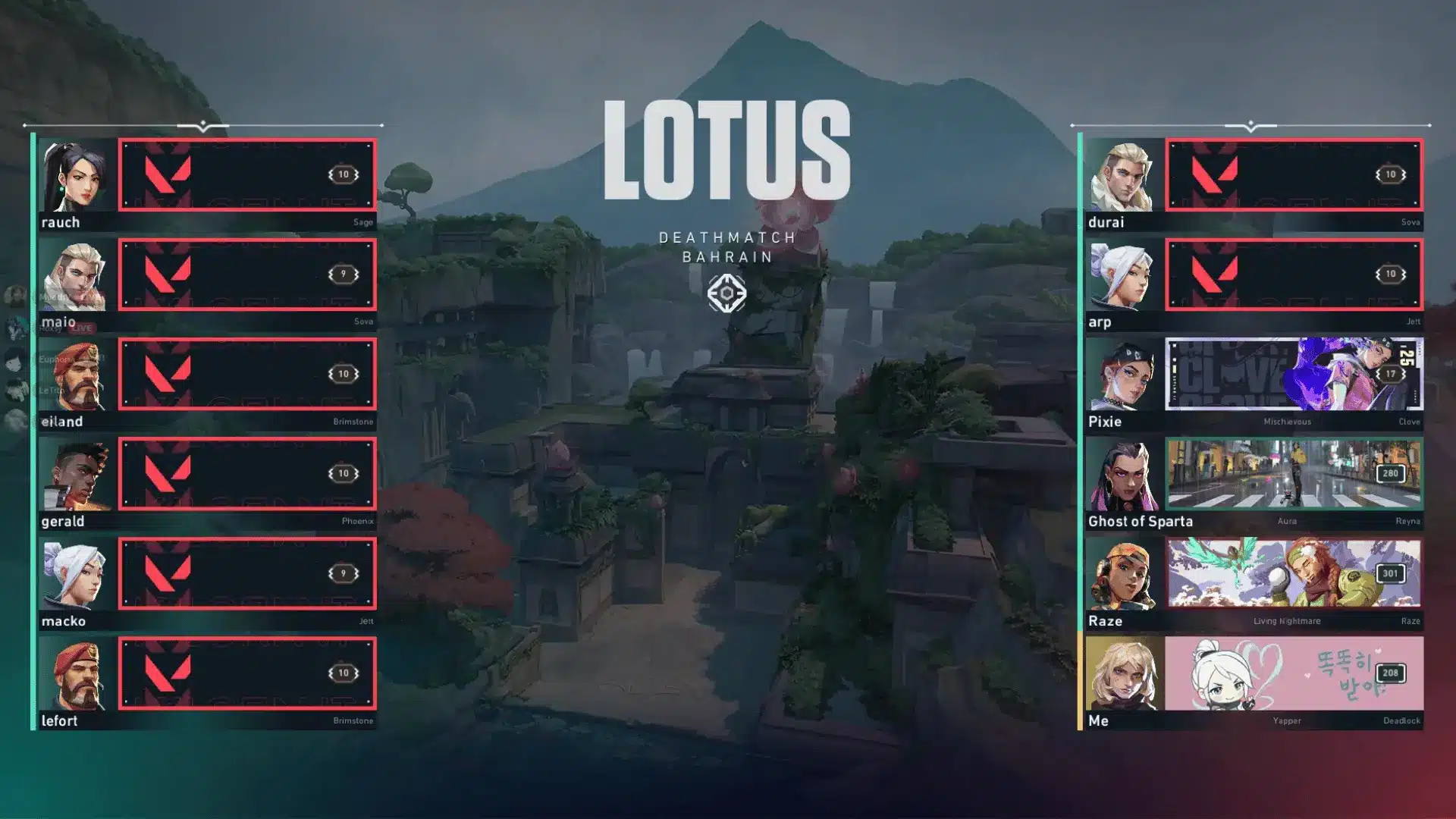
Before jumping into full matches, it helps to spend some time in Valorant’s practice modes. Each one builds a different skill and prepares you for real games.
- The Range: A solo practice area where you can improve your aim, movement, and crosshair placement without pressure. It is the best place to build strong shooting habits before playing against real opponents.
- Bot Match: Play against AI-controlled enemies to learn Buy Phases, Spike sites, and the flow of a round without the pressure of facing experienced players.
- Deathmatch: A free-for-all mode with constant respawns that helps you improve your aim and practice gunfights. It is great for warming up, but does not teach teamwork or economy.
- Spike Rush: A shorter version of a standard match with simplified buying. It lets you practice objectives and teamwork in a faster, lower-pressure environment before moving to full matches.
Start with The Range or Bot Match to build your confidence, then move on to Spike Rush or full matches. Using these modes in order makes learning Valorant feel much easier.
Final Take
Once you understand how Valorant works, it stops feeling random and starts feeling structured. Every round has a clear purpose, and your decisions matter more than pure aim alone.
The game always comes back to the same rhythm: buy, position, fight, and reset. Once that loop clicks, even losing rounds starts to teach you how to play better.
If you’re just getting started, focus on that rhythm first instead of chasing highlight plays. Play a few matches, slow down your decisions, and the game will start making sense fast.
Frequently Asked Questions
Is Valorant free to play?
Valorant is free to download and play on PC. All agents can be unlocked through in-game progression without spending money, though cosmetic items are available for purchase. A console version also exists and is free.
How many rounds does it take to win a Valorant match?
A standard Valorant match is won by the first team to reach 13 round wins. Sides switch at 12 rounds played. If the score reaches 12–12, overtime rounds continue until one team wins by two consecutive rounds.
Which agent should a complete beginner start with?
Sage or Sova is widely recommended as a starting point. Sage’s healing and barrier abilities have clear, immediate effects that are easy to use without deep game knowledge. Sova’s recon abilities passively teach map awareness. Both roles, Sentinel and Initiator, also build habits that transfer to any agent.
Do you lose progress if you stop playing for a while?
Agent unlock progress and account level persist indefinitely. Battle Pass progression is tied to a seasonal pass and expires at season’s end, but core game access, owned agents, and purchased cosmetics are permanent.