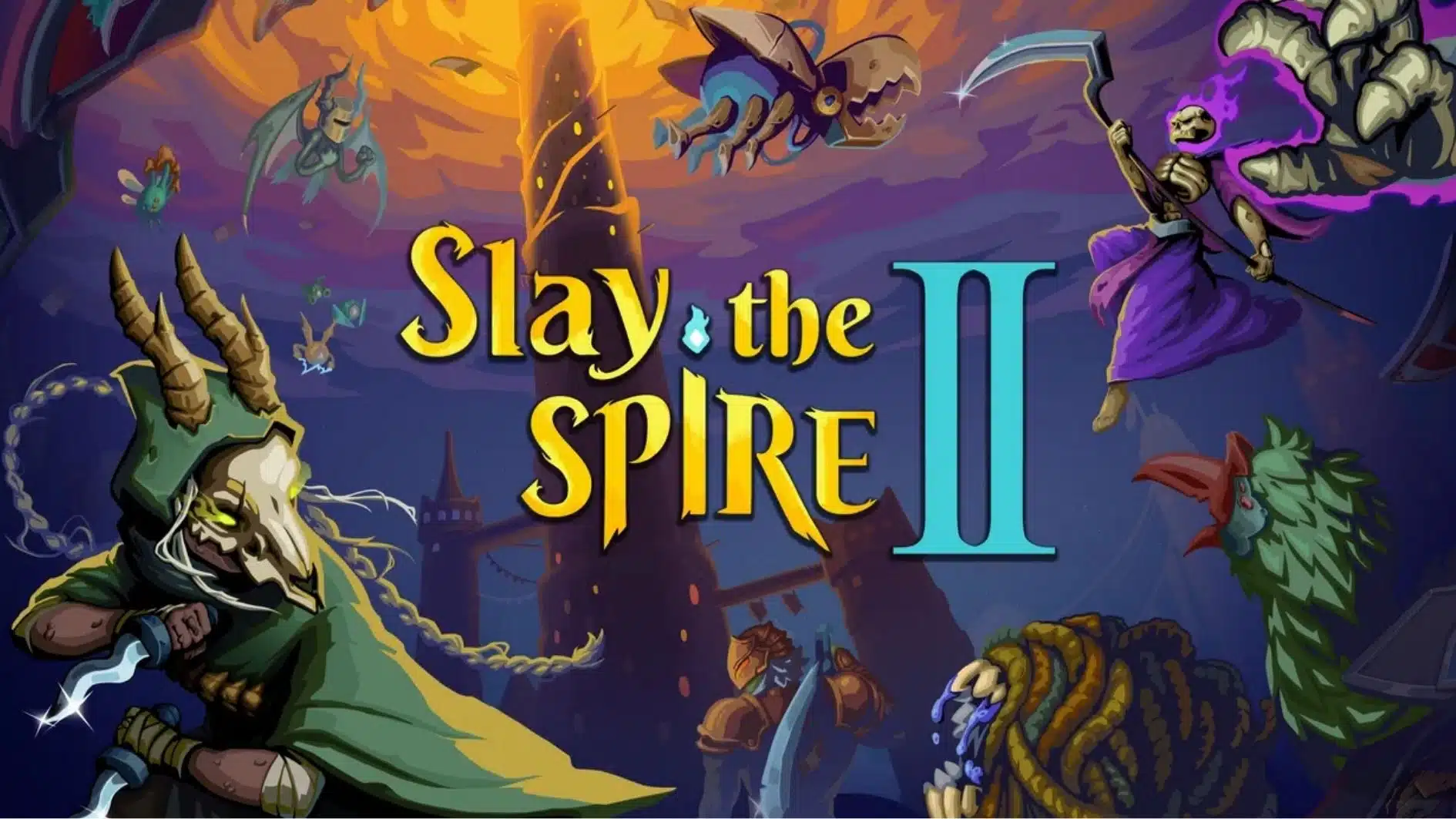
A low-looking Steam score can make Slay the Spire 2 seem like a risky buy, but that number does not tell the whole story.
Early Access games change fast, and player ratings often carry more than simple gameplay feedback.
Some fans are upset about balance changes, while others are already calling the sequel a stronger deckbuilder than the first game.
This Slay the Spire 2 review looks at what is actually playable right now, why the rating feels messy, and whether new players should start here or go back to the original first.
Before judging the score, let us look at what Mega Crit has built.
About Slay the Spire 2
Slay the Spire 2 is the sequel to the 2019 roguelike deckbuilder that helped define its own genre.
Developer and publisher Mega Crit released the game into Early Access on March 5, 2026, on Steam for Windows, Mac, and Linux, priced at $24.99.
Players climb a randomly generated tower called the Spire, pick a character, build a deck of attack and skill cards, and fight through enemies and events on the way to a boss.
- Developer and publisher: Mega Crit
- Platforms: Windows, Mac, Linux, via Steam
- Release: March 5, 2026, Early Access
- Price: 24.99 dollars
- Genre: Roguelike deckbuilder
Five characters are currently playable, including three returning fighters and two new additions built specifically for this sequel.
Anyone who never touched the original can jump straight into Slay the Spire 2, since the game does not continue a story from the first title.
Slay the Spire 2 Early Access Review: What the Score Isn’t Telling You

Slay the Spire 2 deserves a recommendation in Early Access.
The deckbuilding feels tighter than the original, the new characters change how a run plays out, and outlets like Thinky Games’ early access review call it a genuine improvement, even though IGN has held off on a final score while its own review stays in progress.
The Mixed rating on Steam tells a very different story, and that story has almost nothing to do with how the game actually plays.
1. Why the Rating Dropped: Review Bombing, Not Reviews
A fair Slay the Spire 2 review needs to separate the Steam rating from the actual gameplay experience. The current Mixed score reflects several review bombing waves tied to community disputes rather than the core gameplay.
2. The Chinese Player Backlash Explained
One wave came from Chinese players after balance changes affected strategies they preferred, and the reason went deeper than a typical balance complaint.
Many players in that community build long win streaks using save-and-reload tactics between fights, and an Act 3 boss called Doormaker, since replaced by Aeonglass, blocked that approach with card-burning and draw-prevention effects, as Kotaku’s roundtable with Chinese pro players explained.
Players outside that culture saw what looked like a normal difficulty patch, which is part of why the backlash seemed confusing from the outside.
3. The Credits Controversy
Another wave came from Western players after a credits listing caused controversy.
In May 2026, players noticed that media critic Anita Sarkeesian was listed as a consultant in the game’s credits, a listing that had actually been public since launch, according to OpenCritic’s coverage of the backlash.
Neither wave directly reflects the deckbuilding, combat, or replay value.
4. What the Lifetime Rating Actually Shows
Looking beyond the rating, the actual game has received strong reactions from players and reviewers focused on gameplay.
The lifetime Steam rating still sits at Very Positive, with 91% of the game’s more than 66,000+ all-time reviews marked positive, according to the official Steam store page.
The foundation remains familiar, but the sequel adds new characters, systems, and content. A fair review needs to separate community arguments from the game itself.
The important questions are how the sequel plays, what has changed, and whether the current Early Access version provides enough value.
What’s Actually New in Slay the Spire 2?
Slay the Spire 2 keeps the original deckbuilding formula but changes how runs are built, a challenge every entry among the best roguelike games has to solve when trying to evolve without breaking what already worked.
New characters, different environments, and additional systems create more ways to approach each attempt.
The biggest changes aren’t just new cards or enemies. They affect strategy, route planning, and how players build around each character’s strengths.
The New Characters and How They Play
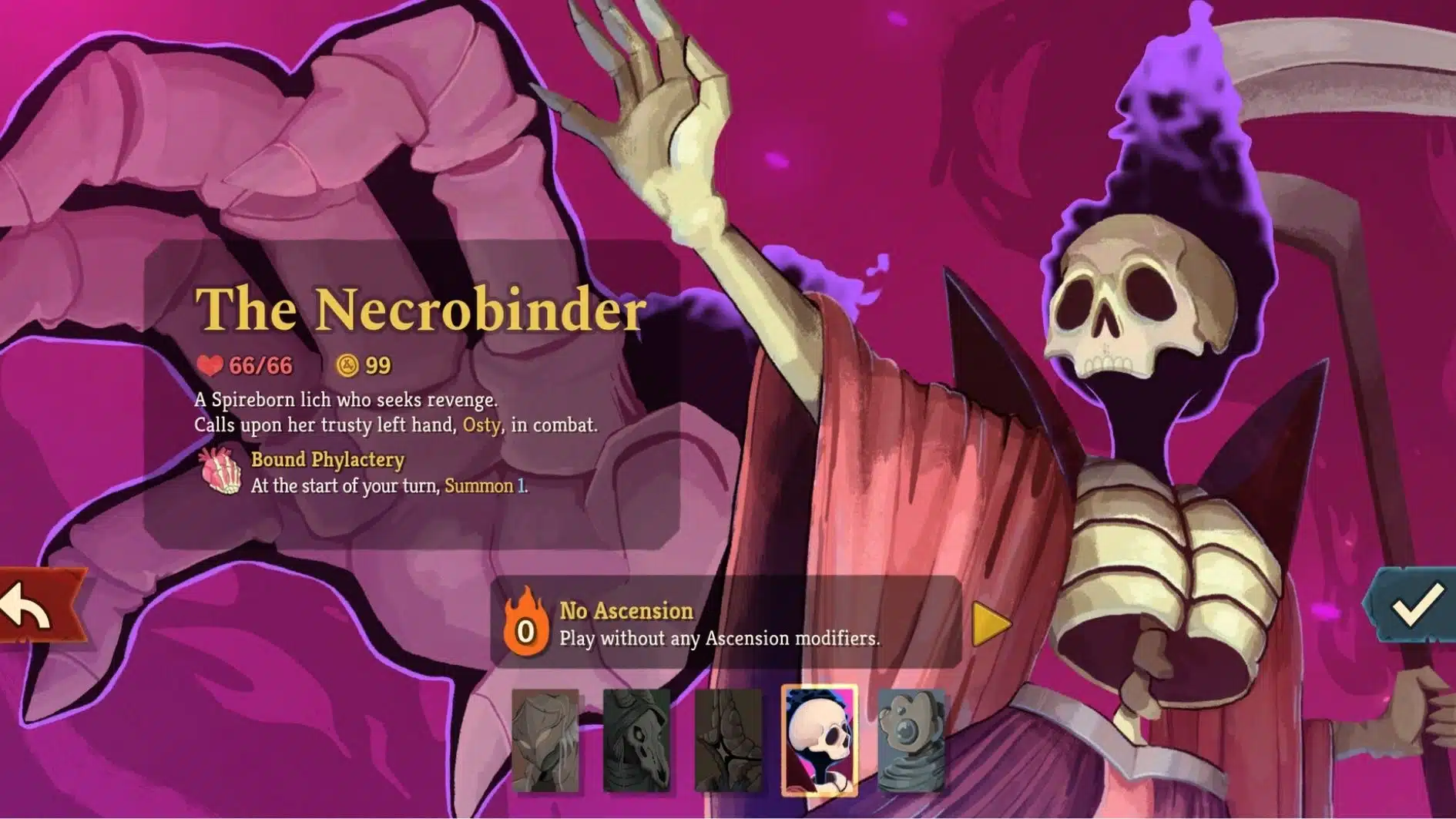
Slay the Spire 2 adds new playable characters that introduce different mechanics instead of simply expanding existing card pools. The Regent and Necrobinder each create new decisions during a run.
The Regent focuses on managing unique abilities and combining effects across turns. The character rewards players who plan ahead rather than relying only on powerful individual cards.
The Necrobinder introduces mechanics based around managing additional effects and timing. Its playstyle asks players to think about setup, resource use, and when to commit certain abilities.
These additions make the sequel feel different from the original. Players are not only learning new cards, but also adapting to different ways of building a successful run.
The new characters also affect replay value. A player who understands the original game’s systems still needs to rethink strategies because familiar habits may not work the same way.
Rotating Biomes and What They Change About Runs
Slay the Spire 2 introduces rotating biomes that change the environments players move through during runs. The change affects more than appearance because it influences route choices.
Different areas create different situations, rewards, and risks. Players need to consider where they want to go instead of following the same path every time.
The system helps make runs feel less predictable, although it is still being developed during Early Access. It adds another layer to decision-making without replacing the core deckbuilding loop.
Is Slay the Spire 2 Better Than the First Game?
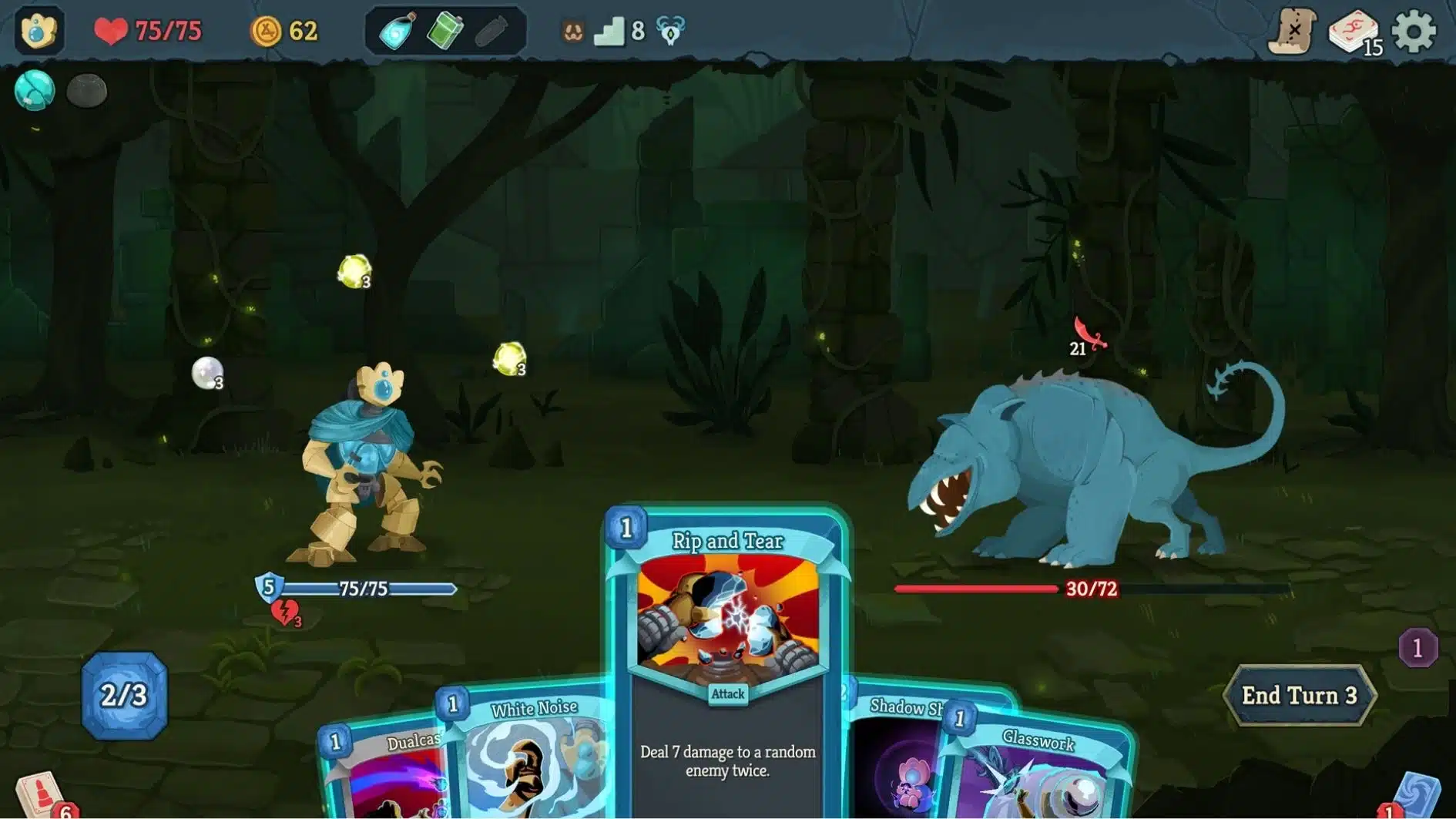
Slay the Spire 2 improves several parts of the original, but it does not completely replace it. The better choice depends on what you value most from a deckbuilding roguelike.
The original Slay the Spire has years of balance updates behind it.
Its characters, cards, encounters, and difficulty systems have been refined through long-term player feedback, giving it a level of stability the sequel does not have yet.
Slay the Spire 2 feels like a larger and more modern version of the formula. The presentation is improved, the interface feels cleaner, and new characters create different strategies during runs.
The biggest difference is balance.
Dead Cells went through a similarly rocky stretch before settling into one of the genre’s most respected roguelikes, and Slay the Spire 2 looks to be following a similar path.
Some players enjoy the unpredictability of Early Access because it creates new challenges, while others prefer the consistency of the original.
The right way to view the games is not as a replacement. Slay the Spire 1 remains the more polished experience, while Slay the Spire 2 offers a fresh foundation with room to grow.
What’s Missing in Early Access and Does It Matter?
Slay the Spire 2’s Early Access version is already playable, but some parts are still changing. The table below shows what is unfinished, how it affects the current experience, and whether it should influence your decision to buy.
| Early Access Limitation | What It Means | Does It Matter? |
|---|---|---|
| Placeholder Artwork | Some visual assets are still temporary and will likely change before the full release. | Low impact. It affects presentation but does not change combat, deckbuilding, or replay value. |
| Balance Changes | Cards, characters, and encounters are still being adjusted through updates. | Medium impact. Players who enjoy stable strategies may prefer waiting, while others may enjoy adapting to changes. |
| Missing Future Content | More cards, characters, and features are expected before version 1.0. | Depends on the player. Current content offers replay value, but the final experience will be larger. |
Early Access works differently depending on the type of player. Those who enjoy seeing a game develop may find the current version satisfying, while players who want the finished balance and complete content may prefer to wait.
Should You Buy Slay the Spire 2 Now or Wait?
The decision depends on your experience with the series and how comfortable you are with Early Access changes.
Buy Slay the Spire 2 now if:
- You already enjoyed the original and want new characters, mechanics, and runs.
- You like experimenting with changing systems and discovering new strategies.
- You are comfortable with balance updates and unfinished features.
Wait for the full release if:
- You are new to the series and want the most polished starting point.
- Balance changes are likely to affect your enjoyment.
- You prefer buying games after all major content has been added.
At its current price, Slay the Spire 2 offers strong value for returning players who already understand the formula.
Cult of the Lamb followed a similar arc, growing substantially after its own rocky launch window, so patience with Early Access titles often pays off.
The current build is not a small preview, but it is still a developing version. New players have a different choice.
Slay the Spire 1 remains an excellent introduction because of its refined balance, while the sequel offers a newer experience with more systems to discover.
Conclusion
This Slay the Spire 2 review ends with a simple answer: the sequel is already strong, but it is not finished.
The new characters, larger card pool, and shifting routes give returning players fresh problems to solve, while Early Access keeps the balance moving under their feet.
That can be exciting if you enjoy change, but frustrating if you want every run to feel settled.
The Steam score does not tell the full story, because outside noise has mixed with real feedback. Veterans can buy now and learn with the updates. New players may be better starting with the original first.
Would you climb the Spire now or wait for version 1.0? Tell us in the comments.
Frequently Asked Questions
Is Slay the Spire 2 Good Right Now in Early Access?
Yes. Early impressions from Thinky Games and GamesRadar are strongly positive, and IGN has praised its early hours without assigning a final score, since that review is still in progress. The Mixed Steam rating reflects review bombing tied to community disputes, not gameplay quality. Ongoing balance changes remain, but the deckbuilding already justifies the price.
Is Slay the Spire 2 Too Hard?
Yes, harder than the original. Enemies hit harder, and runs feel more variable and punishing at higher ascension levels. New players will find the difficulty steep, while veterans of the first game should find it challenging but fair. Balance is still shifting through regular patches, so difficulty may change again before the full release.
Why is Slay the Spire 2 Being Review Bombed?
Multiple waves hit the game. Chinese players objected to balance changes affecting a boss called Doormaker that disrupted a popular save-and-reload playstyle. Separately, Western players reacted after noticing consultant Anita Sarkeesian in the credits, a listing that had been visible since launch. Neither wave reflects the deckbuilding, combat, or actual content quality.
Should I Play Slay the Spire 1 Before Slay the Spire 2?
It helps but is not required, since the sequel does not continue a story. The original is cheaper, more thoroughly balanced after years of patches, and a gentler introduction to the format. Players who start with Slay the Spire 1 will likely find the sequel’s systems easier to read once they make the jump.